
Treatment outcomes
-
Safe return to exercise
-
Long term self management
-
Understanding reason for admission and treatment options
-
Analysis of discharge plan
-
Review and management of ongoing symptoms
How can we help?
Assessment
- Review of recent hospital admission and symptoms
- Assessment of breathing and lung function
- Breathlessness and fatigue evaluation
- Mobility and exercise tolerance assessment
- Breathing retraining techniques
- Airway clearance support where required
- Advice on recovery and energy conservation
- Exercise and rehabilitation guidance
- Education on symptom monitoring and flare-ups
- Personalised recovery and treatment plan
Analysis
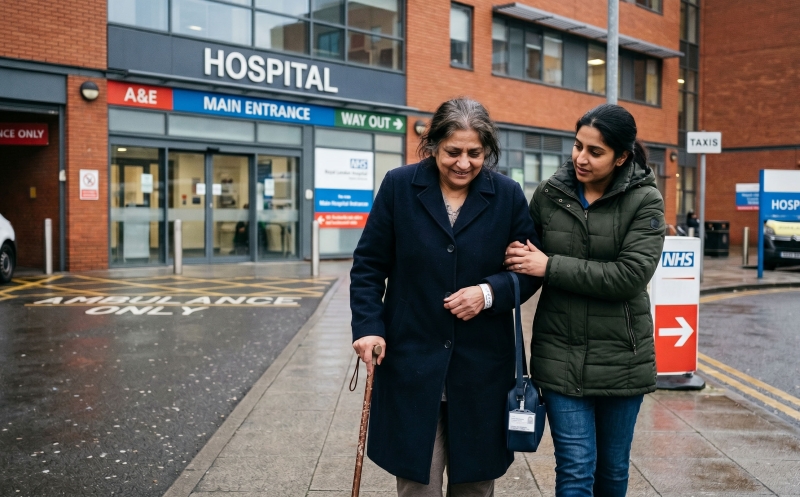
A comprehensive and detailed review of your hospital admission and ongoing problem list unique to your symptoms.
Treatment
Evidence-based clinical treatment programmes using clinical experience of running and managing pulmonary rehabilitation classes, training from Buteyko, BradCliff© Oxygen Advantage and ISEH (Institute of Sport, Exercise and Health). This clinical practice will be in line with your individual lung condition guideline supported by National Institute Clinical Excellence, British Thoracic Society and European Respiratory Society recommendations.
Example conditions we can support
- Diaphragm palsy
- Pulmonary embolism
- Pneumonia
- ICU stays including ventilation
- Surgery
- Fractured ribs

What conditions is this applicable to?
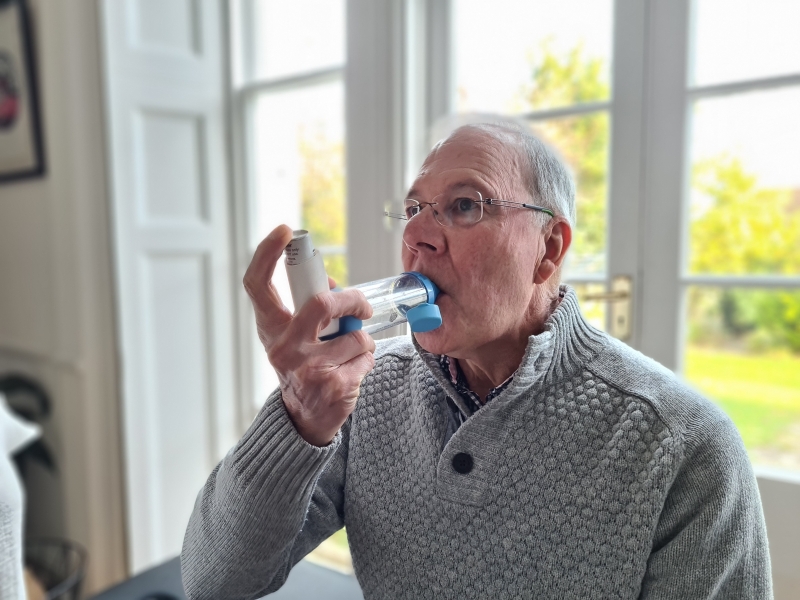
Asthma
Where airways are affected, often causing breathlessness, wheeze and cough
Read more →
Long COVID
Signs and symptoms such as breathlessness and fatigue that continue for 12 weeks+ after COVID-19
Read more →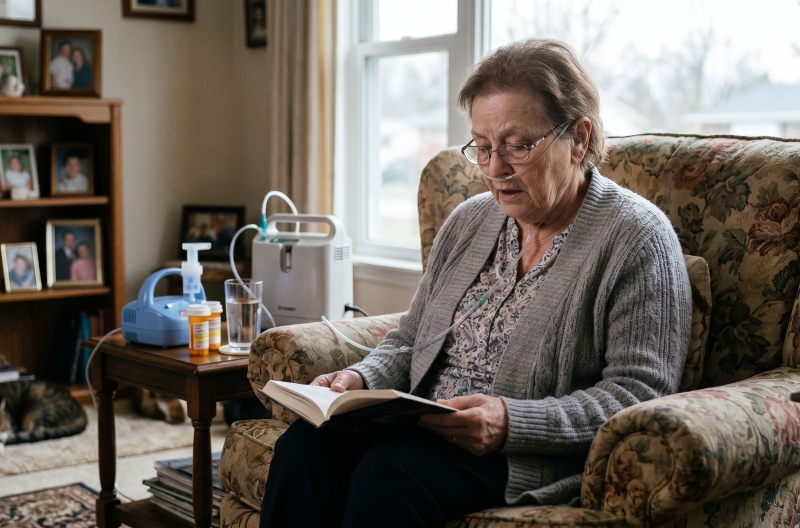
COPD
A lung condition where you may experience breathlessness, cough, fatigue and reduced exercise tolerance
Read more →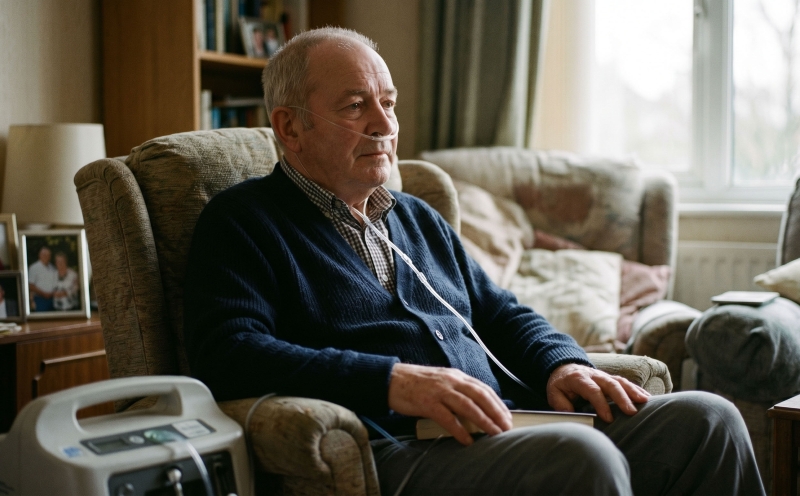
Pulmonary fibrosis
A lung condition that leads to breathlessness, cough, fatigue and reduced exercise tolerance
Read more →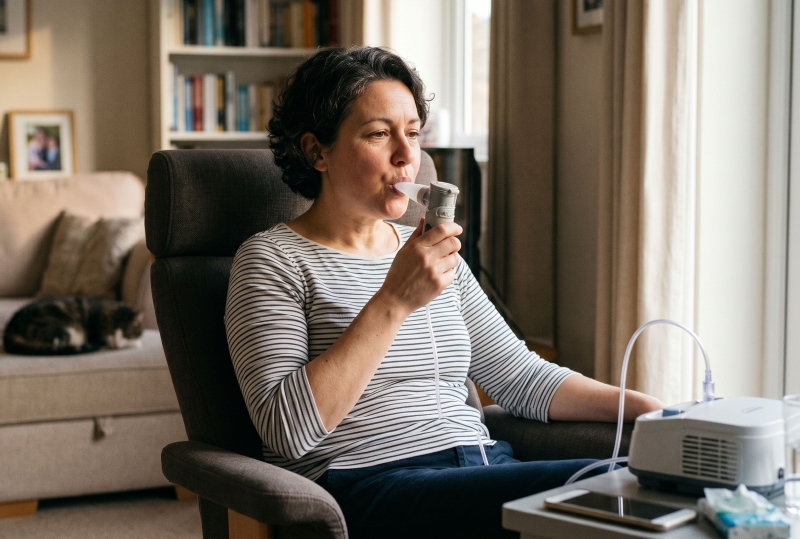
Bronchiectasis
A long-term lung condition associated with cough, increased mucus production and breathlessness
Read more →
Breathing Pattern Disorder
When breathing no long meets the needs of your body or activity
Read more →Frequently Asked Questions
Post hospital review with Take a Breath Physio
General questions
What is a post-hospital review?
It's a physiotherapy assessment and recovery plan for people recently discharged after a chest-related admission — such as pneumonia, a pulmonary embolism, an ICU stay, chest surgery or fractured ribs. Hospital care gets you well enough to go home; a post-hospital review picks up from there, helping you understand what happened, manage ongoing symptoms and rebuild your strength and confidence safely.
When after hospital discharge should I book a review?
There's no fixed rule, but the first few weeks after discharge are when good guidance makes the most difference — it's when people most often feel abandoned between "you're well enough to leave" and their next NHS follow-up. If you're already some months on and still not back to normal, a review is still well worth having; lingering breathlessness and fatigue often respond well even late on.
What does the review include?
At Take a Breath Physio, your Physiotherapist will detail your admission — what happened, your discharge plan and medications — followed by an assessment of your breathing, lung function, fatigue, mobility and exercise tolerance. From that comes a personalised recovery plan: breathing retraining, airway clearance if needed, a graded return to activity, energy conservation strategies, and clear guidance on what symptoms to monitor.
I was told I'd recover in a few weeks, but I still feel exhausted. Is that normal?
Very. Recovery timelines given at discharge describe the illness, not the whole of you — a serious infection, an ICU stay or major surgery costs muscle strength, fitness and energy reserves that take considerably longer to rebuild, especially with a lung condition in the background. A structured plan with realistic milestones usually turns a frustrating, drifting recovery into a visible, steady one.
How is this different from my NHS follow-up appointment?
Your NHS follow-up checks the medical side — that the pneumonia has cleared, the clot is being treated, the surgery has healed. At Take a Breath Physio, our review covers the rehabilitation side: the breathlessness, weakness and fatigue that persist after the medicine has done its job. The two work together, and with your consent, your physiotherapist can share findings with your GP or hospital team.
When should I be worried rather than patient after a chest admission?
Seek prompt medical advice — rather than waiting for a review — if you have new or worsening chest pain, cough up blood, become suddenly more breathless, have a new fever, or notice a swollen, painful leg. Gradual tiredness and slowly improving breathlessness are part of normal recovery; sudden changes are not, and your physiotherapist will reinforce these thresholds in your plan.
Can a post-hospital review be done virtually?
An in-person assessment is ideal after a significant admission, but virtual reviews are available and can work well — particularly for follow-ups, or if travel is difficult in the early weeks home visits can be an option. At Take a Breath Physio your physiotherapist will advise what's most appropriate once they've heard your history.
Do I need a referral for a post-hospital review?
No — you can self-refer to Take a Breath Physio by clicking the contact or book now button and start your journey to breathe better – live better. It helps to have your discharge summary to hand for your first appointment, so your plan can build directly on your hospital care.