
Are you experiencing any of the following?
-
Feeling short of breath or unable to take a full breath
-
Rapid breathing or hyperventilation
-
Tightness in the chest or throat
-
Racing heartbeat or palpitations
-
Dizziness or feeling lightheaded
-
Tingling sensations in the hands, face, or body
-
Feeling overwhelmed, restless, or unable to relax
-
Sudden episodes of intense fear or panic
-
Difficulty sleeping or poor-quality sleep
-
Fatigue, tension, or difficulty concentrating
How can we help?
- Comprehensive assessment of breathing symptoms, anxiety triggers, and panic-related experiences
- Review of medical history, lifestyle factors, stress levels, and the impact on daily activities
- Assessment of breathing patterns, including dysfunctional breathing or hyperventilation
- Education on the connection between breathing, anxiety, and physical symptoms
- Training in breathing control and relaxation techniques to reduce panic symptoms
- Guidance on recognising early warning signs of anxiety and panic episodes
- Techniques to improve breath awareness, reduce over-breathing, and restore calm breathing patterns
- Support with managing breathlessness, chest tightness, dizziness, and related physical symptoms
- Advice on sleep, pacing, activity levels, and strategies to improve overall wellbeing
- Individualised self-management plan with practical tools, coping strategies, and recommendations for ongoing support
Breathing plays an important role in regulating the balance of the nervous system. Fast, shallow breathing can activate the body’s “fight or flight” response, increasing feelings of stress, tension, and anxiety. In contrast, slow, controlled breathing helps stimulate the body’s “rest and restore” response, promoting relaxation, calmness, and improved emotional regulation. Learning how to control and optimise breathing patterns can therefore have a powerful effect on both physical symptoms and overall wellbeing.

Anxiety and breath
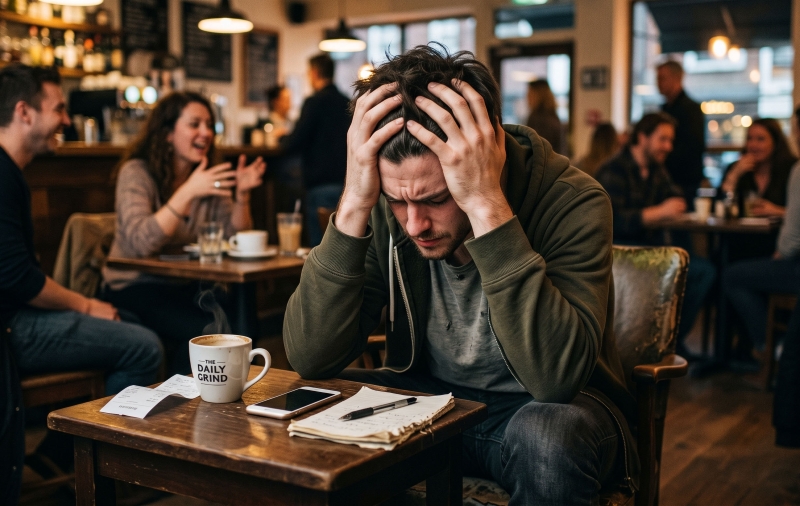
Anxiety and breathing are closely connected. When we feel anxious or stressed, our breathing often becomes faster, shallower, or more irregular, which can lead to symptoms such as breathlessness, chest tightness, dizziness, tingling, or a feeling of not getting enough air. These physical sensations can then increase feelings of panic and anxiety, creating a cycle that can be difficult to break. Respiratory physiotherapy helps by identifying unhelpful breathing patterns and teaching practical techniques to restore calmer, more efficient breathing and improve symptom control.
Links guidelines and support
What services do we offer?
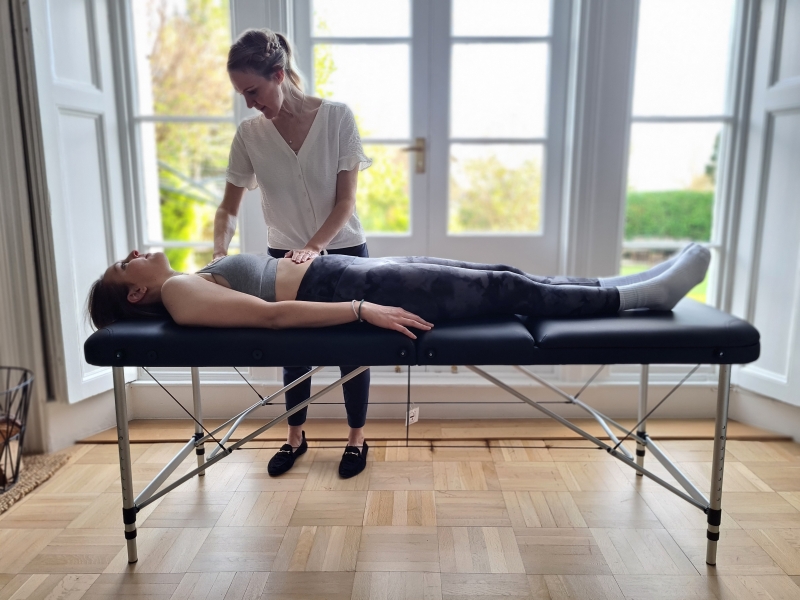
Breathing pattern retraining
Relearn how to breathe with ease and control
Read more →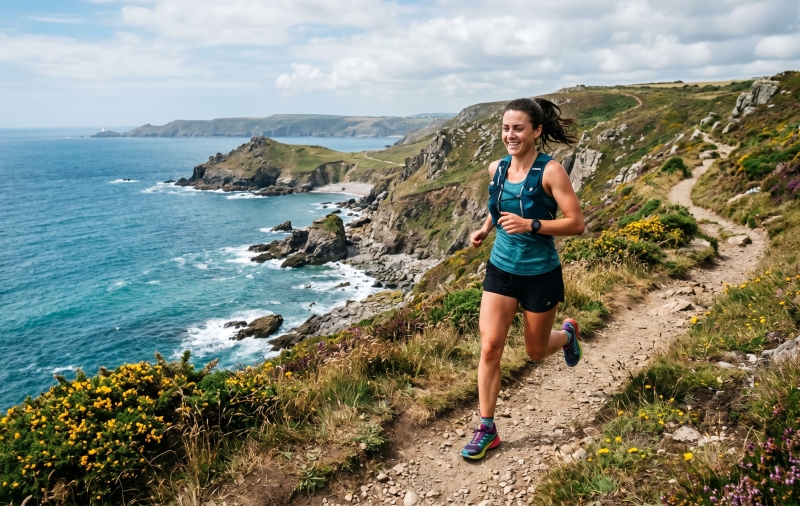
Sport Performance Enhancement
Don't let your breath stop you reaching your full potential
Read more →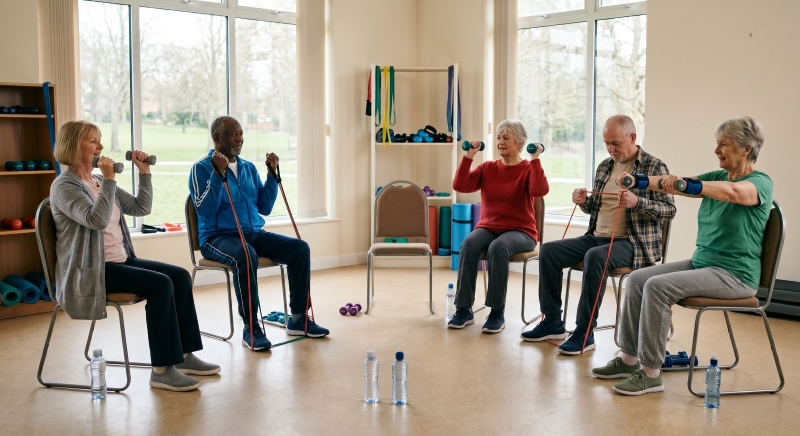
Exercise for Lung Health
Improving breathing, strength and endurance through moving
Read more →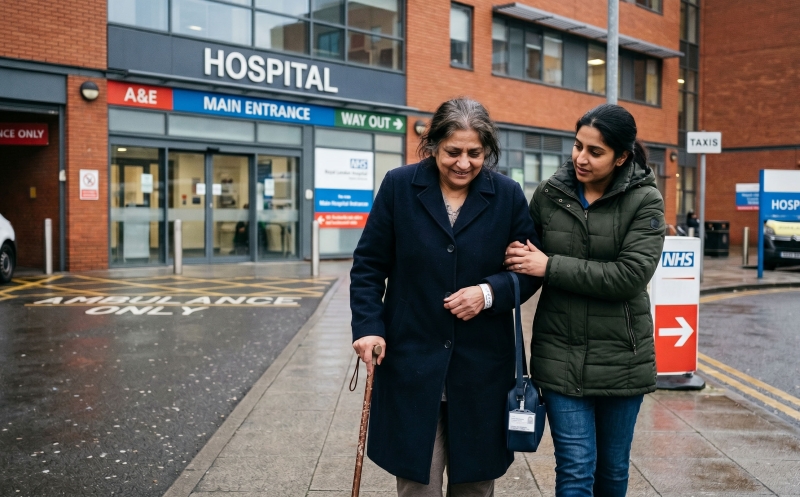
Post Hospital Review
Supporting recovery and helping you regain strength and confidence after hospital admission
Read more →Frequently Asked Questions
Anxiety, Breathing and Respiratory Physiotherapy
Understanding the link between anxiety and breathing
Can Physiotherapy help with anxiety?
Yes, Respiratory Physiotherapy can help with the physical breathing related symptoms that often come with anxiety; such as breathlessness, chest tightness, dizziness and feeling of not getting much air in. This is achieved through breathing pattern retraining, which calms both the breath and symptoms. It is important to note that physiotherapy works on the physical breathing component and is best used alongside mental health support for anxiety either from your GP or mental health professionals.
How are anxiety and breathing linked?
Anxiety and breathing are closely connected. When you feel anxious your breathing naturally increases and can shift to the upper chest. This causes the feeling of shallow breathing, chest tightness and air hunger. This makes you feel more uncomfortable and creates a cycle, increasing anxiety. Learning to recognise and clam your breathing can help interrupt this cycle and this is where physiotherapy can help.
Why does anxiety make me breathless?
When you are anxious, your body’s stress response speeds up your breathing in preparation for action. This can lead to overbreathing or hyperventilating, your body takes in more air than your body needs, resulting in dizziness, tingling hands and feet and a feeling of chest tightness and not being able to take a satisfying breath. Breathing retraining helps to restore a calmer, more efficient pattern and ease your symptoms.
What is hyperventilation and how is it linked to anxiety?
Hyperventilation means breathing faster or over-breathing more than your body needs, and this is triggered by stress or anxiety. It changes the balance of the blood and results in feeling lightheaded, dizzy, breathless, chest tightness and tingling around the hands and mouth. Breathing retraining with physiotherapy is an effective way to address hyperventilation.
Is breathlessness from anxiety dangerous?
Breathlessness driven by anxiety or over-breathing is usually not physically dangerous, although it can feel very frightening. It is important to note that breathlessness is not only linked to anxiety and should be checked with your GP to rule out other causes. Once other causes have been ruled out, physiotherapy can help manage breathless and breathing pattern retraining.
How can Physiotherapy help?
How does physiotherapy help anxiety- related breathlessness?
A Physiotherapist assess how you breathe and helps you to relearn a clam, efficient breathing pattern. This will be a slower, deeper and lower breath encouraging breathing through your nose and into your diaphragm. Physiotherapists will also teach you how to recognise flare up symptoms regaining quick control over your breathing physical symptoms and therefore relieve some of the fear that evokes it.
What breathing techniques help calm anxiety symptoms?
Helpful techniques generally focus on slowing the breath, breathing through the nose, using the diaphragm and getting the breath deep into the lungs away from the chest. Practiced regularly these exercises can help reduce the physical sensations linked to anxiety and provide a tool you can use in stressful situations. A Physiotherapist will tailor the techniques to your individual breathing pattern.
Can breathing pattern disorder cause anxiety or anxiety cause breathing pattern disorder?
Yes, it can work both ways, and often the two feed each other. Breaking this cycle involves address underlying anxieties and physical breathing patterns driving it. Breathing pattern retraining of the physical element and appropriate mental health support for anxiety can help improve symptoms.
Working alongside other support
Should I also see my GP or a therapist about anxiety?
Yes, and if you have not, your physiotherapist should advise you to as this will compliment therapy to give you the best opportunity to improve. There are many options including CBT and talking therapy, that work well alongside physiotherapy treatment for the physical changes in your breathing. Combining both approaches often provides the best results.
Can physiotherapy replace mental health therapy or treat anxiety?
No, physiotherapy is not a treatment for anxiety. Physiotherapy role id to help with the physical, breathing related symptoms and changes the often accompany anxiety.
Sessions and what to expect
What happens in a physiotherapy session for anxiety – related breathing symptoms?
Your initial appointment will involve a careful and detailed history of your symptoms and assessment of your breathing pattern. Questionnaires and outcome measures help to determine a more detailed picture and your physiotherapist will explain the findings of these. Your physiotherapist will start with education and awareness breathing and tailor your treatment as required.
Do I need a referral to see a physiotherapist for anxiety- related breathing symptoms?
No, at Take a Breath Physio you can self refer by clicking the contact button and start your journey to breathe better – live better.
If anxiety is affecting your daily life, please speak to your GP or a mental health professional. If you ever feel unable to cope, 111, 999 or the Samaritans can help you in times of crisis.