
Treatment outcomes
-
Breathe better
-
Understanding of Breathing Pattern Disorder and how to recognise it
-
Return to exercise
-
Return to hobbies and social occasions
-
Long term self-management
-
Improve Energy conservation
-
Restore calm and mindfulness
How can we help?
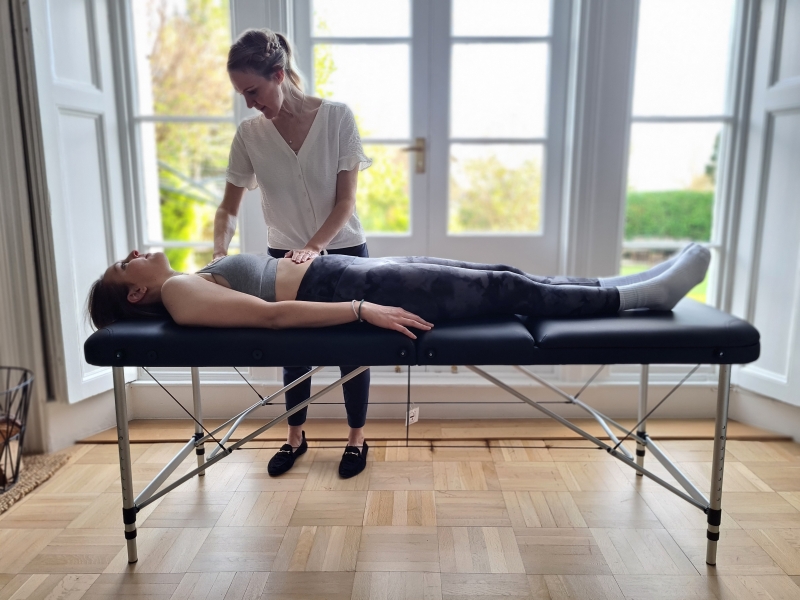
Assessment
- A detailed history of your symptoms and your journey to this point
- Nose assessment
- Upper airway assessment
- Lung assessment
- Lifestyle review
- Biomechanical screening
- Sleep review
- Contributing past medical condition management, i.e. asthma optimisation
- Central nervous system review
- Emotion, stress, pain and psychological contributing factors.
- Exercise and physical activity assessment.
Analysis
A comprehensive and detailed review of your problem list unique to your symptoms.
Treatment
Evidence-based clinical treatment programmes using training from Buteyko, BradCliff© Oxygen Advantage and ISEH sports institute that start your journey to breathe better, live better.

What conditions is this applicable to?
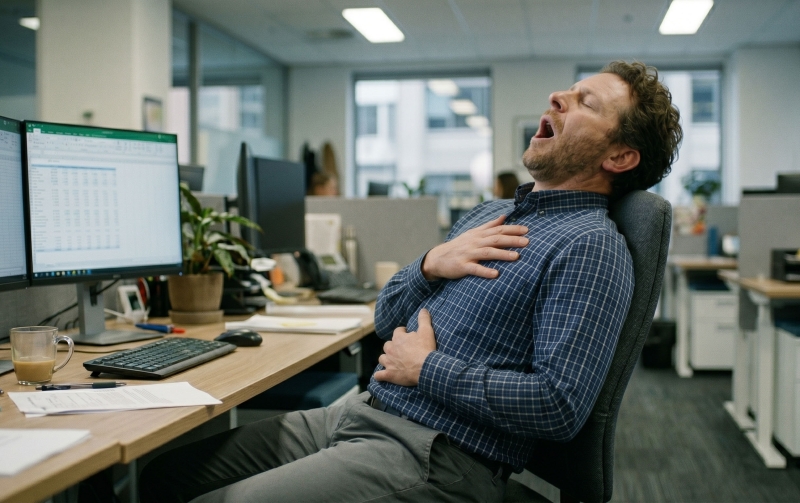
Breathing Pattern Disorder
When breathing no long meets the needs of your body or activity
Read more →
Chronic Cough
A cough that lasts more than 8 weeks
Read more →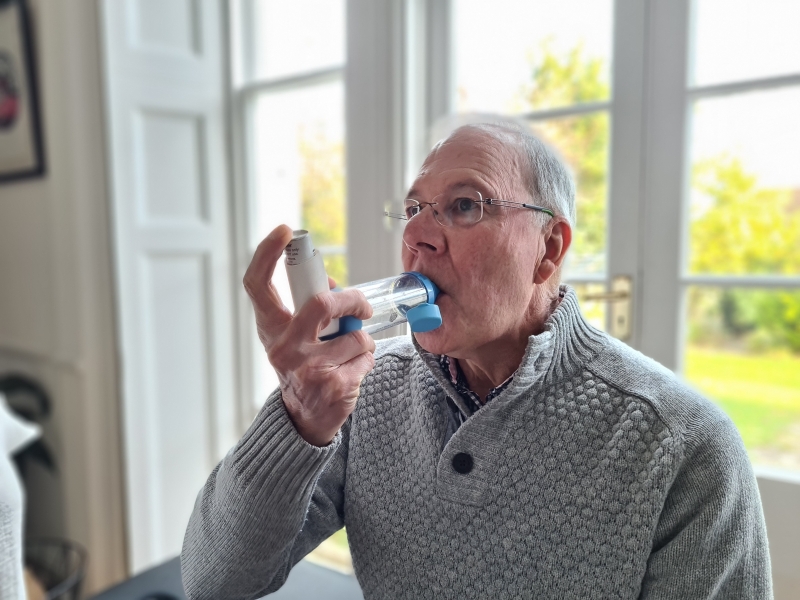
Asthma
Where airways are affected, often causing breathlessness, wheeze and cough
Read more →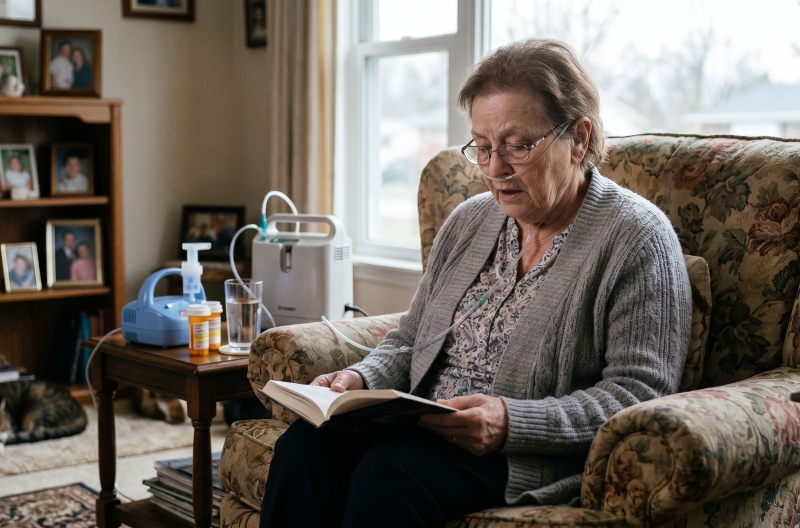
COPD
A lung condition where you may experience breathlessness, cough, fatigue and reduced exercise tolerance
Read more →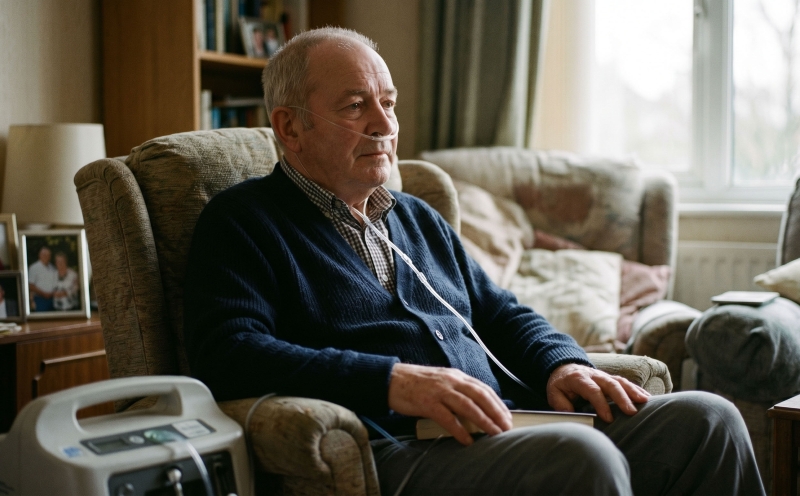
Pulmonary fibrosis
A lung condition that leads to breathlessness, cough, fatigue and reduced exercise tolerance
Read more →
Anxiety
A condition that can affect breathing, stress levels and overall wellbeing
Read more →
Nasal blockage and Sinusitis
Nose conditions that impact breathing quality and wellbeing
Read more →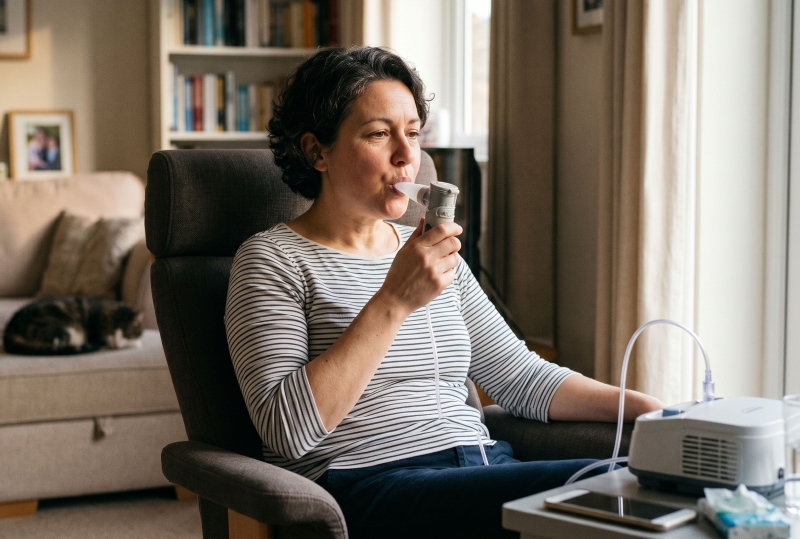
Bronchiectasis
A long-term lung condition associated with cough, increased mucus production and breathlessness
Read more →Frequently Asked Questions
Breathing pattern retraining with Take a Breath Physio
General questions
What is breathing pattern retraining?
Breathing pattern retraining is the process of relearning a calm, efficient way to breathe — typically slower, gentler, through the nose and led by the diaphragm rather than the upper chest. Many people develop unhelpful breathing habits without realising it, and these can drive breathlessness, chest tightness, dizziness, fatigue and anxiety. Retraining breathing pattern with Take a Breath Physio works by gradually replacing those changes with a pattern your body can sustain comfortably, at rest and during activity.
How do I know if my breathing pattern needs retraining?
Common signs include feeling short of breath, unable to get a satisfying breath but your tests say your lungs are fine? Frequent sighing or yawning, breathing through your mouth, a tight chest or throat, air hunger, and symptoms that flare with stress or talking. If any of that sounds familiar, an assessment with Take a Breath Physio can establish whether your breathing pattern is contributing — and if it is, this is very treatable so you can breathe better and live better.
What happens at my first breathing retraining session?
Your first session is a detailed assessment: your symptom history and the journey that brought you here. Take a Breath Physio will review your nose, upper airway, breathing mechanics, sleep, lifestyle, stress and any medical conditions that may be contributing, such as asthma. From this your physiotherapist builds a picture of why your breathing pattern has changed and starts you on the first exercises the same day.
What methods are used in breathing retraining?
Take a Breath Physio draws on recognised clinical approaches including Buteyko, the BradCliff Method® and Oxygen Advantage, alongside standard respiratory physiotherapy techniques. Rather than following one method rigidly, your physiotherapist selects the elements most likely to help your particular pattern and symptoms and progresses them as your breathing improves.
How long does breathing pattern retraining take?
Breathing patterns build up over years, so retraining is gradual rather than instant. Many people notice early changes within the first few weeks, with a course of sessions over roughly two to three months to make the new pattern automatic. Daily practice between sessions makes the biggest difference, and your physiotherapist will give you a clearer plan after your assessment.
Will I have to practise at home?
Yes — short, regular practice is where the retraining actually happens. You'll be given a small number of specific exercises, usually a few minutes several times a day, woven into everyday activities like walking, working and settling to sleep. Sessions then review your progress and build the next stage, so the pattern holds up under exercise, talking and stress.
Do I need a referral for breathing pattern retraining?
No — you can self-refer to Take a Breath Physio by clicking the contact button and start your journey to breathe better – live better. If your breathlessness is new, worsening or unexplained, it's sensible to see your GP as well, so that any underlying causes are checked alongside your retraining.