
Treatment outcomes
-
Breathing better and living better
-
Return to exercise
-
Return to hobbies and social occasions
-
Long term self-management
-
Understanding of airway clearance and confidence
How can we help?
Assessment
- Assessment of mucus clearance difficulties
- Breathing pattern and lung function review
- Airway clearance technique instruction
- Advice on sputum management
- Use of airway clearance devices where appropriate
- Breathing exercises to improve ventilation
- Education on self-management strategies
- Personalised airway clearance treatment plan
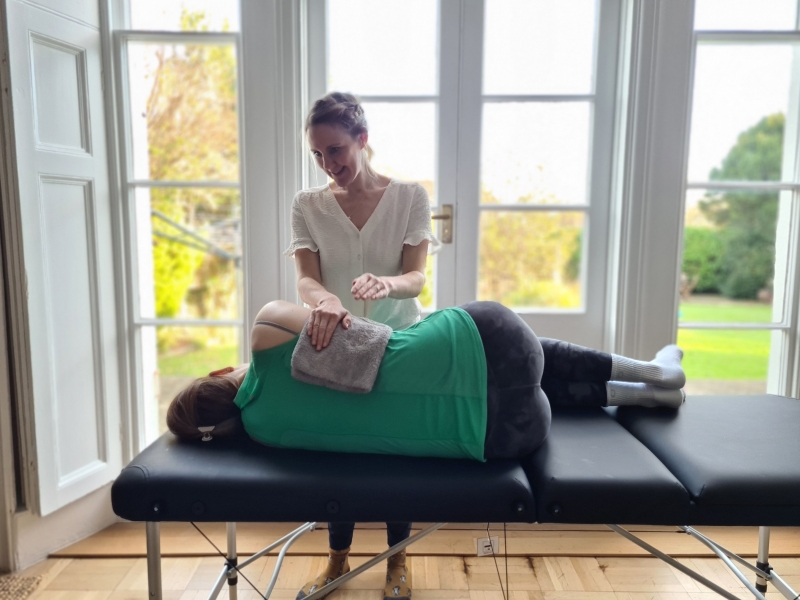
Analysis
A comprehensive and detailed review of your problem list unique to your symptoms.
Treatment
Evidence-based clinical treatment programmes using techniques to encourage sputum motility.

What conditions is this applicable to?
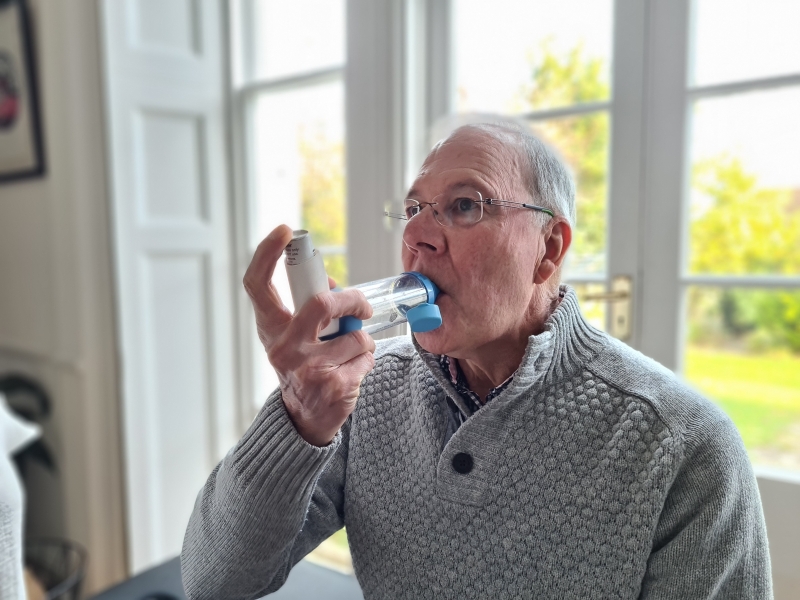
Asthma
Where airways are affected, often causing breathlessness, wheeze and cough
Read more →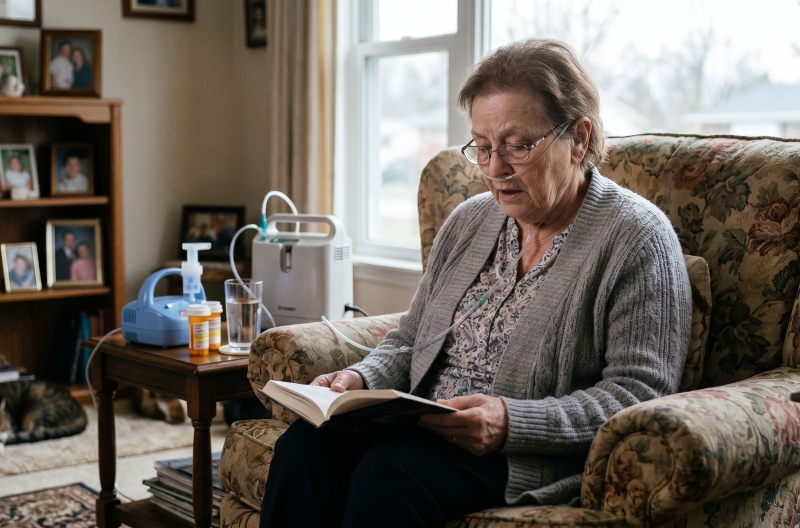
COPD
A lung condition where you may experience breathlessness, cough, fatigue and reduced exercise tolerance
Read more →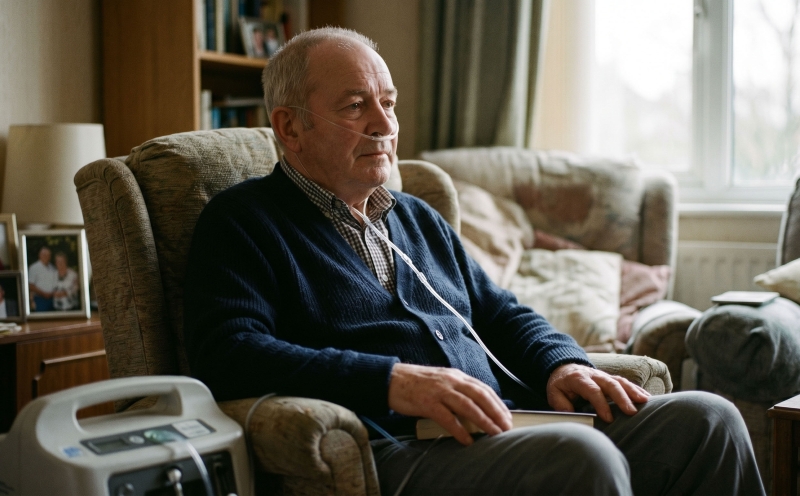
Pulmonary fibrosis
A lung condition that leads to breathlessness, cough, fatigue and reduced exercise tolerance
Read more →
Nasal blockage and Sinusitis
Nose conditions that impact breathing quality and wellbeing
Read more →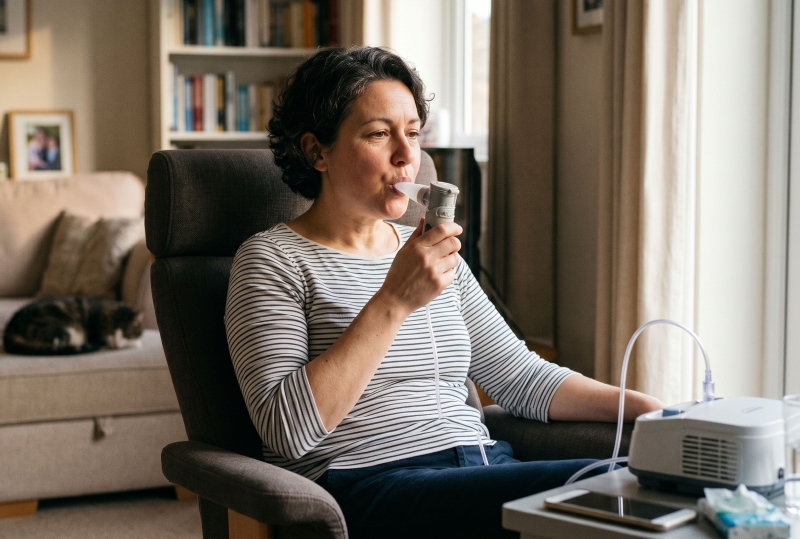
Bronchiectasis
A long-term lung condition associated with cough, increased mucus production and breathlessness
Read more →Frequently Asked Questions
Airway clearance support with Take a Breath Physio
General questions
What is airway clearance therapy?
Airway clearance therapy is a set of respiratory physiotherapy techniques that help you move mucus (sputum) out of your lungs more easily. When mucus builds up it can cause a persistent cough, chest infections, breathlessness and fatigue. At Take a Breath Physio, respiratory physiotherapy teaches you techniques — and, where appropriate, devices — that use your own breathing to loosen and clear mucus effectively, without exhausting bouts of coughing.
Who benefits from airway clearance support?
Anyone who regularly produces mucus or struggles to clear their chest — most commonly people with bronchiectasis, COPD, asthma or pulmonary fibrosis, and people troubled by post-nasal drip from nose and sinus problems. It can also help if you've noticed more mucus after repeated chest infections. If you're clearing sputum most days, a proper technique is one of the best investments you can make in your lung health.
What techniques are used to clear the airways?
The core technique is the Active Cycle of Breathing Techniques (ACBT) — a sequence of relaxed breathing, deep breaths and a controlled "huff" that moves mucus up the airways. Depending on your assessment, your physiotherapist may also use positioning, autogenic drainage or breathing exercises to improve airflow behind the mucus. The aim is a routine you can do independently, tailored to your lungs and your day.
Do I need a device such as a PEP or flutter device?
Not everyone does — many people clear well with breathing techniques alone. Where a device would genuinely help, your physiotherapist can assess you with one, teach you how to use it properly and advise on what to buy. Positive expiratory pressure (PEP) and oscillating devices can be useful additions, but they work best on top of good technique, not instead of it.
How often should I do airway clearance?
That depends on how much mucus you produce. Some people need a short daily routine; others only step it up during a cold or chest infection. Your physiotherapist will help you find the right rhythm and — just as importantly — teach you how to increase your clearance early in a flare-up, when it can make a real difference to how quickly you recover.
What happens in an airway clearance assessment?
At Take a Breath Physio, your physiotherapist reviews your history, listens to your chest, assesses your breathing pattern and watches how you currently clear your chest. You'll then learn and practise the techniques best suited to you, so you leave able to do them confidently at home. Follow-up sessions check your technique and adjust the routine as your needs change.
Can airway clearance sessions be done virtually?
Yes – all assessments and treatments can be done virtually. You will be assessed and work with your physiotherapist to work out the best treatment option. Your physiotherapist will advise what's appropriate after hearing your history and support you online or face to face with ongoing videos for support after your appointment.
Do I need a referral for airway clearance support?
No — you can self-refer to Take a Breath Physio by clicking the contact or book now button and start your journey to breathe better – live better. If you're coughing up blood, having chest pain or feeling increasingly unwell, see your GP first so any infection or other cause is properly assessed.