
Take a Breath Physio was first launched in 2021. Our aim is to increase patient access to professional and friendly respiratory physio care for people with breathing difficulties, either due to long term lung conditions, post viral or organic causes.
The business has grown over time and now supports people locally in North Devon with either home visits or face to face and further afield via virtual access. See our conditions or services page to see if Take a Breath Physio can help you reduce your breathlessness and improve your quality of life.
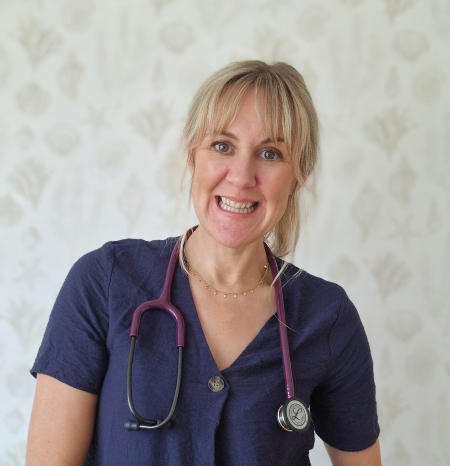
Lucy Tomalin
Clinical Director - Respiratory Physiotherapist
Lucy Tomalin BSc (hons) has developed her specialist Respiratory physiotherapy skills over 15 years in the NHS across acute hospitals and community settings. Lucy has worked in emergency respiratory care during her time in Plymouth where she developed her secretion clearance skills with COPD, Bronchiectasis, Cystic Fibrosis and complex neurological patients. Later in Bristol she gained skills in managing long term lung conditions, delivered Pulmonary Rehabilitation classes, performed oxygen assessments and ran outpatient secretion clearance clinics. Since moving back to North Devon, Lucy specialises in breathing pattern disorders, long covid breathlessness and fatigue, chronic cough and complex asthma management.
Lucy is passionate in her field and has worked privately for 5 years. Lucy teaches Pilates classes combining her respiratory knowledge with breath work and exercise.
- Physiotherapy BSc (hons) 2009
- Registered Physiotherapist with the Health and Care Professions Council (HCPC).
- A member of the Chartered Society of Physiotherapy (CSP) (providing professional body support and access to professional groups such as long covid specialists around the country)
- A member of the Association of Chartered Physiotherapists in Respiratory Care (ACPRC) (providing up to date respiratory physiotherapy education and peer support).
- MSc Asthma module 2021, managing and treating complex asthma.
- A member of the South West Asthma Network (SWAN).
- Buyteko adult trained - for treating breathing pattern disorders.
- Bradcliff Breathing Method Level 1 and Level 2 – for advanced management of breathing pattern disorders and return to exercise.
- APPI Pilates Level 1,2,&3.
- Oxygen Advantage
Associates
See below some of the businesses we work closely with

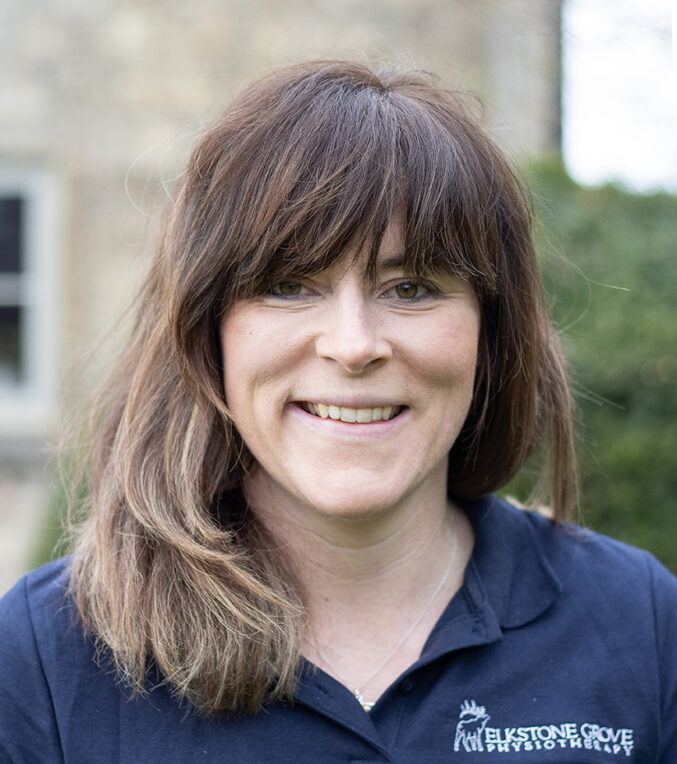
Musculoskeletal Physio and Barral Institute Visceral and Neural Therapist
Kate is an award winning Physiotherapist who has worked in Gloucestershire for over 21 years and has a wealth of experience within the musculoskeletal field, working in both the NHS and the Private sector.
Kate has studied with the Barral Institute since 2016 and has developed her specialism in visceral release (treating tension around the organs) and neural release (working with the nervous system which in turn controls the musculoskeletal system). This holistic approach has helped many of Lucy's patients suffering with respiratory conditions and complements her work well.
Kate's treatment approach is very hands on and patient specific. She fully believes that in order to achieve your goals, understanding the condition and finding the right exercise programme for you is paramount.
Kate is well known in the county for her visceral work and has strong working relationships with the medical consultants and GPs.
Kate works from her private clinic in Cheltenham and takes referrals nationwide. You can find out more about visceral release via her website.
Services that Kate provides
- Sports Injuries
- Shoulder Specialist
- Whiplash/Back Pain
- Knee Injuries
- Arthitic Pain
- Acupuncture
- Visceral Manipulation
- Myofascial Release
- Vestibular Rehabilitation
- Post Breast Cancer recovery
- BikeFit
- Ergonomic Assessments
Womens Health Musculoskeletal Physio
Rozzy is a physiotherapist with a special interest in women’s health (pelvic health), pregnancy and postnatal rehabilitation, alongside musculoskeletal physiotherapy. Her approach is collaborative, evidence-based, and centred around helping people feel more confident in their bodies.

- Pelvic organ prolapse symptoms and management (heaviness, dragging, bulge).
- Bladder and bowel symptoms such urinary incontinence, frequency, overactive bladder, constipation and flatus incontinence.
- Pelvic floor concerns from weakness to tight pelvic floor as well as issues such as (vaginismus) and sexual dysfunction.
- Pelvic pain which may include endometriosis, pregnancy related pelvic girdle pain, pudendal neuralgia.
- Abdominal rehabilitation post surgeries such a hysterectomy and C sections.
- Post natal recovery and Mummy MOT's
- Return to exercise following pelvic health issues.
- Generalised musculoskeletal issues such as back, neck and knee pain.
Frequently Asked Questions
Read below to discover how Respiratory Physiotherapy can help you
About respiratory physiotherapy & breathing retraining
What is respiratory physiotherapy?
Respiratory physiotherapy is a specialist area of physiotherapy focused on helping people breathe better and manage breath and people with lung conditions. Physiotherapists use techniques such as breathing pattern retraining, airway clearance, exercise and education to ease symptoms like breathlessness, coughing and mucus, and to improve fitness and quality of life. Respiratory Physiotherapy can help both people with diagnosed lung conditions and those who simply find their breathing isn't working as well as it should.
What is breathing retraining (breathwork retraining)?
Breathing pattern retraining is the process of relearning a calm, efficient way to breathe — typically slower, gentler, through the nose, and led by the diaphragm rather than the upper chest and shoulders. Many people develop unhelpful breathing habits over time, often without realising it, which can cause a surprising range of symptoms. Retraining the pattern can ease breathlessness, chest tightness, dizziness and the anxiety that often goes with them.
What's the difference between respiratory physiotherapy and breathwork?
Respiratory physiotherapy is a clinical, evidence-based discipline delivered by qualified healthcare professionals, and breathing retraining is one of the tools it uses. "Breathwork" is a broader, less regulated term that covers many breathing practices, including wellness and relaxation methods that aren't necessarily clinical. The key difference is that respiratory physiotherapy is grounded in assessment, individual diagnosis and clinical training.
How is clinical breathing pattern retraining different from general wellness breathwork?
Clinical breathing retraining starts with a proper assessment of how you breathe and why, then tailors techniques to your individual pattern and any health conditions you have. General wellness breathwork tends to teach the same set techniques to everyone, often for relaxation rather than treating a specific problem. Both can be valuable, but if you have symptoms or a health condition, an individual clinical assessment is the safer and more effective starting point.
Is respiratory physiotherapy backed by evidence?
Yes — respiratory physiotherapy is an established, evidence-based part of healthcare. Approaches such as breathing retraining, airway clearance and pulmonary rehabilitation are supported by research. Your physiotherapist will always explain what realistic benefits you can expect for your particular situation.
Who it can help
Who can benefit from respiratory physiotherapy?
A wide range of people can benefit — from those with diagnosed lung conditions such as asthma, COPD or bronchiectasis, to people with persistent breathlessness, chronic cough, or breathing pattern problems where tests come back normal. It can also help people recovering from illnesses like COVID, and those whose breathing is affected by anxiety. Whatever the cause, if your breathing isn't working well, an assessment can help identify how physiotherapy might help.
What conditions can respiratory physiotherapy and breathing pattern retraining help with?
Common areas include asthma, COPD, bronchiectasis, long COVID, pulmonary fibrosis, breathing pattern disorders, chronic cough, and the breathing-related symptoms of anxiety. It can also support nasal breathing habits and general breathlessness. The specific techniques are always tailored to your condition and needs.
Can it help if my breathing tests are normal but I still feel breathless?
Yes — this is one of the most common reasons people come for respiratory physiotherapy. Feeling genuinely breathless despite normal lung function tests, scans and oxygen levels often points to a breathing pattern disorder rather than a lung problem. This is very treatable through assessment and breathing pattern retraining.
Do I need a diagnosed lung condition to benefit?
No — you don't need a diagnosed condition. Many people seek help for symptoms like breathlessness, an over-sensitive cough or a feeling of not breathing properly, even when no specific lung disease has been found. A physiotherapist can assess your breathing and help, and will let you know if anything needs reviewing by your GP first.
Can children and older adults have respiratory physiotherapy?
Yes — respiratory physiotherapy can be adapted for all ages, from children through to older adults. Techniques are tailored to suit the individual, and for children they're made engaging and easy to follow. The approach always takes account of your age, fitness and any other health conditions.
What's involved
What happens during a respiratory physiotherapy assessment?
Your first appointment is usually a detailed assessment — your physiotherapist will discuss your history, symptoms and goals, and observe how you breathe at rest and, where relevant, during talking or activity. They may carry out simple measures or tests to understand your breathing better. They'll then explain what they've found and discuss a plan tailored to you.
What techniques does a respiratory physiotherapist use?
Depending on your needs, techniques may include breathing pattern retraining, airway clearance to manage mucus, breathing-control and breathlessness-management strategies, exercise and pulmonary rehabilitation, and cough therapy techniques. Your physiotherapist selects and combines the approaches most likely to help you. Everything is tailored rather than one-size-fits-all.
What is breathing pattern retraining and how does it work?
Breathing pattern retraining helps you relearn a relaxed, efficient breathing pattern and then carry it into everyday life, talking and activity. Your physiotherapist guides you through techniques, helps you notice and change unhelpful habits, and gives you exercises to practise. With regular practice, the new, healthier pattern gradually becomes your natural way of breathing.
Why is breathing through the nose and using the diaphragm so important?
Nose breathing filters, warms and humidifies the air and supports a calmer, more efficient pattern, while breathing with the diaphragm (the main breathing muscle) uses less effort than breathing from the upper chest and shoulders. Together they make breathing more efficient and comfortable. Many breathing problems involve a shift away from this natural pattern, which retraining aims to restore.
Will I be given exercises to do at home?
Yes — home practice is an important part of respiratory physiotherapy, because regular, little-and-often practice is what helps new breathing habits and techniques stick. Your physiotherapist will give you a simple, manageable home programme and show you exactly how to do it. Follow-up sessions then build on your progress.
Will it work alongside my medication and other treatment?
Yes — respiratory physiotherapy is designed to complement your medical care, not replace it. You should continue any medication as prescribed, and your physiotherapist will work alongside your GP or specialist team. The two together usually give the best results.
What to expect
How quickly will I notice results?
This varies depending on the condition and the individual, but many people notice some improvement within a few weeks of regular practice, with more lasting change over a couple of months. Consistency tends to matter more than intensity. Your physiotherapist will give you a realistic idea after your assessment.
Will the benefits last?
The benefits last best when you keep up the techniques you've learned, as they become part of how you breathe and move day to day. Some people return to their techniques during stressful periods or after an illness, when old habits can creep back. Your physiotherapist will make sure you leave able to manage things independently.
Can breathing retraining replace my medication?
No — breathing retraining and physiotherapy support better breathing and symptom control, but they don't replace prescribed medication. You should never stop or change your medication without advice from your GP or specialist. Physiotherapy works best as part of your overall treatment, not instead of it.
Practical information
Do I need a GP referral?
No – you can self-refer at Take a Breath Physio, either by email, phone or via our contact page.
How many sessions will I need?
This depends on your needs and goals, but many people benefit from a short course of sessions with regular practice in between, sometimes with occasional reviews afterwards. Some need only a few sessions to learn the key techniques. Your physiotherapist will discuss a realistic plan after your first assessment.
How long is a typical session?
Initial assessments are usually 60 minutes to allow time for a thorough evaluation, with follow-up sessions typically shorter around 50 minutes, but this includes time for note writing, any clinical letters, summary emails and tailored audios to support your breathing practice.
Are sessions available in person or online?
Both, Take a Breath physio is based in North Devon, so if you are happy to travel then in person sessions are available. Further afield? No worries, Take a Breath Physio also offer virtual sessions so you can learn and practice in the comfort of your own home.
What qualifications does a respiratory physiotherapist have?
Physiotherapists in the UK are trained healthcare professionals registered with the Health and Care Professions Council (HCPC), and many are members of the Chartered Society of Physiotherapy (MCSP). At Take a Breath Physio, I am trained in Buteyko, Bradcliff Method Level 1 &2, Oxygen Advantage, APPI Pilates Level 1,2and 3 and completed an severe asthma MSc module. I also maintain my practice with regular CPD to maintain HCPC standards of care.
How do I know if respiratory physiotherapy is right for me?
If you experience breathlessness, a persistent cough, mucus, chest tightness, or a sense that your breathing isn't working as it should — whether or not you have a diagnosed condition — it's worth an assessment. The initial appointment is designed to work out exactly what's going on and whether physiotherapy can help. If something needs medical attention first, your physiotherapist will let you know.
How do I book an appointment?
Easy, click contact here to go through to our contact page to send a message. Alternatively email info@takeabreathphysio.co.uk.