
Treatment outcomes
-
Breathing better and living better
-
Return to exercise
-
Return to hobbies and social occasions
-
Long term self-management
-
Understanding of your lung condition
-
Improved confidence
How can we help?
Assessment
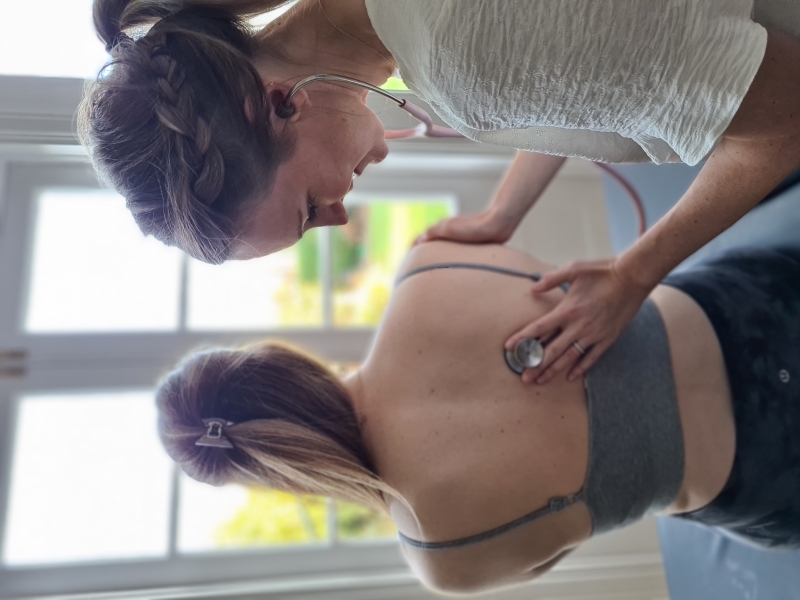
- Respiratory symptom and medical history assessment, including oxygen review and auscultation
- Inhaler review and optimisation.
- Breathing pattern and lung function evaluation
- Breathlessness and mobility assessment
- Education on lung condition management
- Breathing retraining techniques
- Airway clearance advice and techniques
- Cough assessment and treatment plan
- Exercise and activity guidance
- Fatigue and energy conservation strategies
- Exacerbation prevention and management advice
- Personalised treatment planning and goals
Analysis
A comprehensive and detailed review of your problem list unique to your symptoms.
Treatment
Evidence-based clinical treatment programmes using clinical experience of running and managing pulmonary rehabilitation classes, training from Buteyko, BradCliff© Oxygen Advantage and ISEH (Institute of Sport, Exercise and Health). This clinical practice will be in line with your individual lung condition guideline supported by National Institute Clinical Excellence, British Thoracic Society and European Respiratory Society recommendations.

What conditions is this applicable to?

Breathing Pattern Disorder
When breathing no long meets the needs of your body or activity
Read more →
Chronic Cough
A cough that lasts more than 8 weeks
Read more →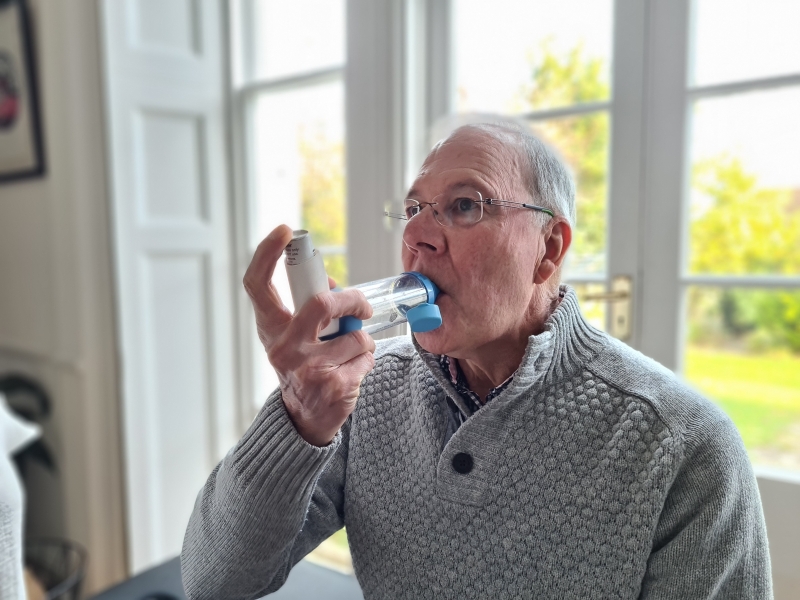
Asthma
Where airways are affected, often causing breathlessness, wheeze and cough
Read more →
Bronchiectasis
A long-term lung condition associated with cough, increased mucus production and breathlessness
Read more →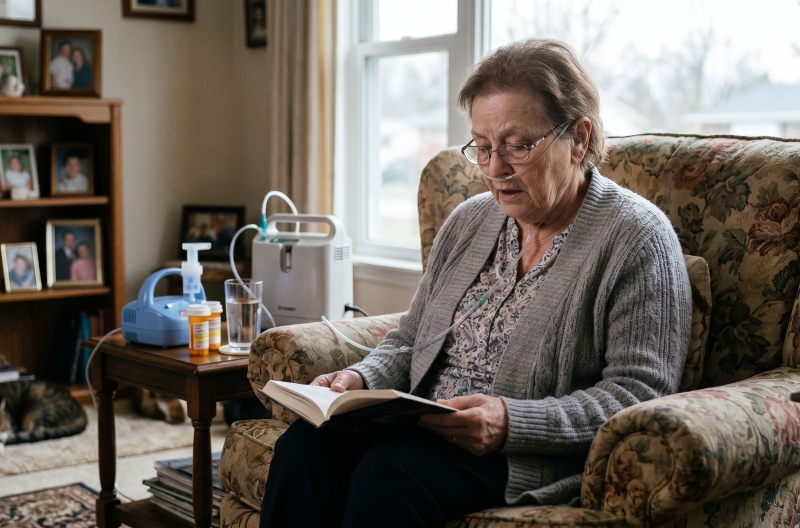
COPD
A lung condition where you may experience breathlessness, cough, fatigue and reduced exercise tolerance
Read more →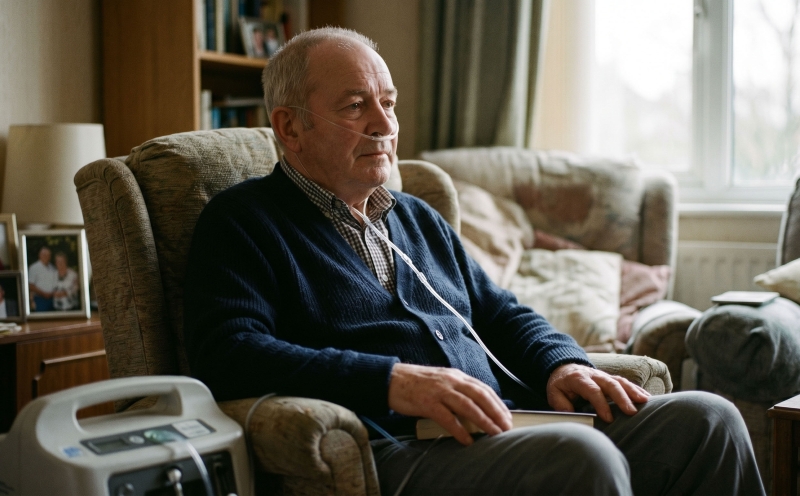
Pulmonary fibrosis
A lung condition that leads to breathlessness, cough, fatigue and reduced exercise tolerance
Read more →
Anxiety
A condition that can affect breathing, stress levels and overall wellbeing
Read more →
Nasal blockage and Sinusitis
Nose conditions that impact breathing quality and wellbeing
Read more →Frequently Asked Questions
Lung condition management with Take a Breath Physio
General questions
What does lung condition management involve?
It's a structured, personalised programme for living well with a long-term lung condition such as COPD, bronchiectasis, asthma or pulmonary fibrosis. At Take a Breath Physio, your Physiotherapist combines a thorough respiratory assessment — including listening to your chest, reviewing your oxygen levels and checking your inhaler technique — with treatment and education: breathing techniques, airway clearance, exercise guidance, energy conservation and a plan for managing flare-ups.
How is this different from the care I get from my GP or hospital team?
It complements it rather than replaces it. NHS reviews are often short and focused on medication; these sessions give you the time to understand your condition, master the physiotherapy side of managing it, and build a day-to-day plan around your own goals. Everything follows the same national guidance your medical team uses — NICE, British Thoracic Society and European Respiratory Society recommendations.
Why does inhaler technique matter so much?
Because a large proportion of people use their inhalers in a way that means much of the medication never reaches their lungs. A careful review of your device and technique — and, where needed, a suggestion to your GP about a device that suits you better — is often one of the quickest wins in lung condition management, improving symptom control without any change in medication dose.
Can physiotherapy actually improve my breathlessness?
Yes. Breathlessness is driven not just by the lungs but by breathing pattern, fitness, anxiety and pacing — all things physiotherapy can change. Techniques such as breathing control, recovery positions and paced activity reduce the distress of breathlessness, while graded exercise gradually raises what you can do before breathlessness stops you. Most people find they can do noticeably more than they believed.
What is a flare-up plan and why do I need one?
A flare-up (exacerbation) plan sets out how to recognise the early signs that your condition is worsening — changes in sputum, breathlessness or energy — and exactly what to do: stepping up airway clearance, using rescue medication as agreed with your GP, and knowing when to seek help. Acting in the first days of a flare-up can mean a shorter illness and, for some people, avoiding hospital.
What happens at the first appointment?
At Take a Breath Physio, a detailed assessment of your respiratory history, symptoms, medications and oxygen if relevant, along with listening to your chest and evaluating your breathing pattern, mobility and what your condition is stopping you from doing. From that, you and your physiotherapist agree goals and a treatment plan — and you'll start on the first practical techniques straight away.
How often would I be seen?
That varies with your condition and goals. A common pattern is a few sessions close together to build your plan and techniques, then spaced reviews to keep you progressing — with the option of a review after any flare-up or hospital stay. The aim throughout is confident self-management, not dependence on appointments.
Do I need a referral for lung condition management?
No — you can self-refer to Take a Breath Physio by clicking the contact or book now button and start your journey to breathe better – live better. With your consent, your physiotherapist can liaise with your GP or respiratory team so everyone is working from the same plan.