
Treatment outcomes
-
Breathing better and living better
-
Introduction to exercise or progression of current plan
-
Review of long term self-management
-
Expert understanding of your lung condition
-
Improved confidence
-
Return to the lifestyle you want
How can we help?
Assessment
- Respiratory symptom and functional assessment
- Breathlessness and exercise tolerance evaluation
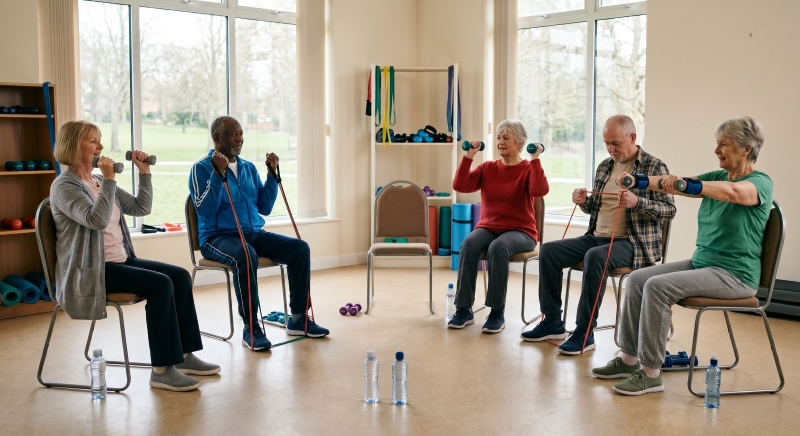
- Individualised exercise rehabilitation programme
- Breathing retraining and control techniques
- Strength and endurance conditioning
- Airway clearance support where required
- Fatigue and energy management strategies
- Education on lung condition self-management
- Advice on physical activity progression
- Follow on from completing Pulmonary Rehabilitation.
- Personalised rehabilitation goals and treatment plan
Analysis
A comprehensive and detailed review of your problem list unique to your symptoms.
Treatment
Evidence-based clinical treatment programmes using clinical experience of running and managing pulmonary rehabilitation classes, training from Buteyko, BradCliff© Oxygen Advantage and ISEH (Institute of Sport, Exercise and Health). This clinical practice will be in line with your individual lung condition guideline supported by National Institute Clinical Excellence, British Thoracic Society and European Respiratory Society recommendations.

What conditions is this applicable to?
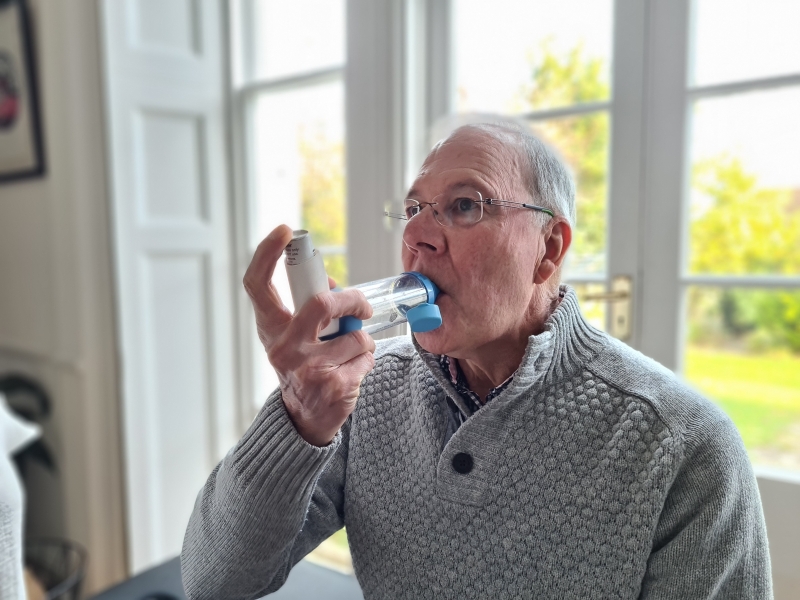
Asthma
Where airways are affected, often causing breathlessness, wheeze and cough
Read more →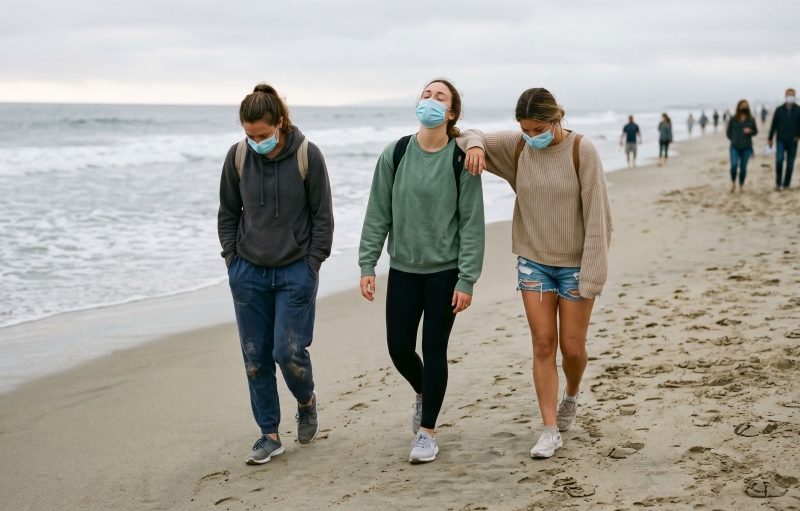
Long COVID
Signs and symptoms such as breathlessness and fatigue that continue for 12 weeks+ after COVID-19
Read more →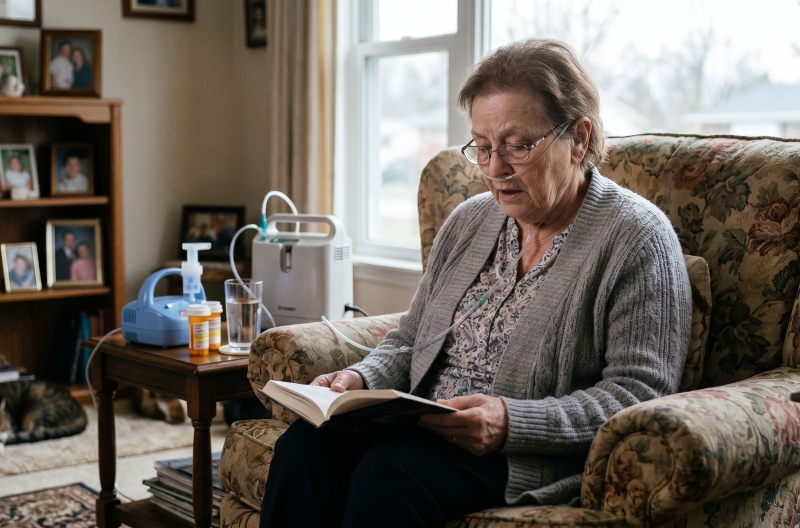
COPD
A lung condition where you may experience breathlessness, cough, fatigue and reduced exercise tolerance
Read more →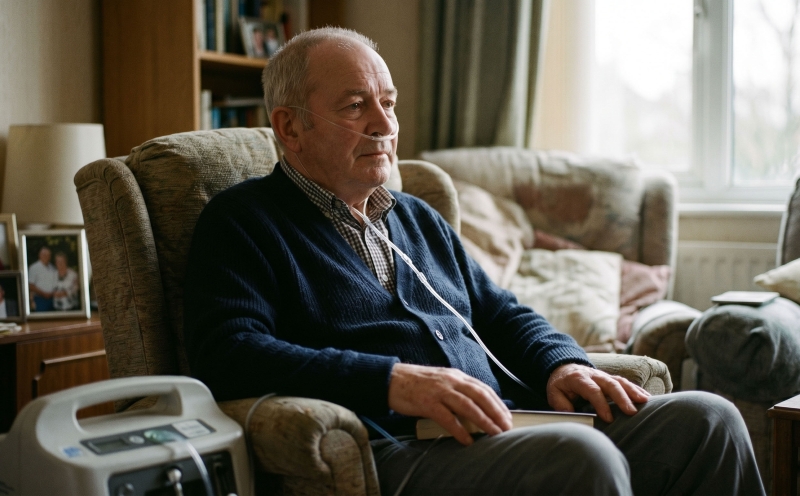
Pulmonary fibrosis
A lung condition that leads to breathlessness, cough, fatigue and reduced exercise tolerance
Read more →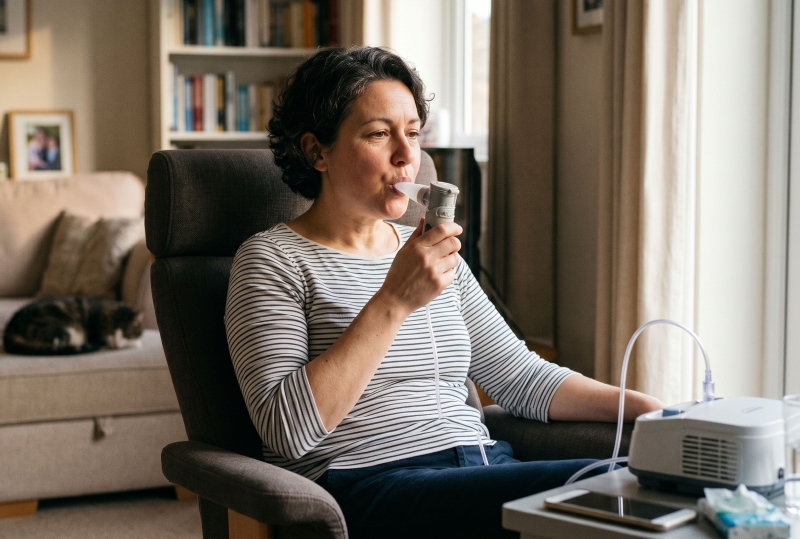
Bronchiectasis
A long-term lung condition associated with cough, increased mucus production and breathlessness
Read more →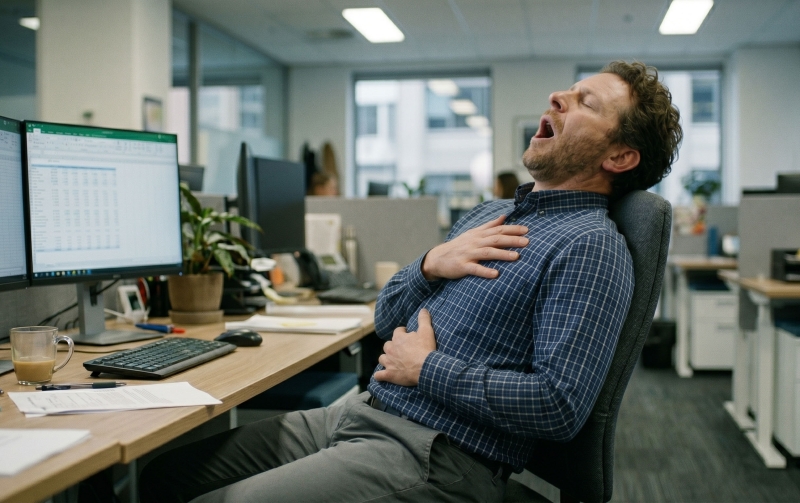
Breathing Pattern Disorder
When breathing no long meets the needs of your body or activity
Read more →Frequently Asked Questions
Exercise for lung health with Take a Breath Physio
General questions
Is it safe to exercise with a lung condition?
Yes — for almost everyone with a lung condition, the right exercise is not only safe but one of the most effective treatments available. The key phrase is "the right exercise": the type, intensity and progression need to match your condition and current fitness. That's exactly what a respiratory physiotherapist provides, so you can work hard enough to benefit while staying safe.
Why is exercise so important for my lungs?
Breathlessness creates a vicious cycle: it makes activity unpleasant, when you do less, your muscles weaken, this makes you more breathless. Exercise reverses that cycle. Fitter muscles demand less oxygen for the same task, so you become less breathless doing everyday things — even though the lung condition itself hasn't changed. It also boosts mood, energy and resistance to chest infections.
What is pulmonary rehabilitation, and how does this service relate to it?
Pulmonary rehabilitation (PR) is the NHS's structured 6 week exercise-and-education course for people with lung conditions, and the evidence behind it is excellent. At Take a Breath Physio, Physiotherapists have experience of running NHS PR services and are able to deliver one to one PR that goes beyond the 6 week course or as an alternative if you can't access a course.
What does an exercise programme for lung health include?
After an assessment of your symptoms, breathlessness and exercise tolerance, you get an individualised programme combining endurance work (like walking or cycling), strength training and breathing techniques to control breathlessness during effort. It also covers pacing, energy conservation and airway clearance where needed, with realistic progression built around the lifestyle you want back.
What if I get too breathless to exercise?
Feeling breathless during exercise is expected — and, managed properly, it's part of the treatment rather than a warning sign. With Take a Breath Physio you'll learn breathing control and recovery positions that let you settle your breathing quickly, and your programme will start at a level you can genuinely manage. Most people are surprised how much they can build from a very modest start.
Can I do the programme at home?
Yes — programmes are designed around what you have access to, whether that's a gym, a local walking route or your own living room. Sessions teach and progress the programme; the work in between happens wherever suits you. Follow-ups adjust the plan as your fitness improves.
How long before I notice a difference?
Most people feel a change within four to six weeks of consistent exercise — everyday tasks feel easier, and recovery from breathlessness gets quicker. Meaningful gains in strength and stamina build over two to three months. At Take a Breath Physio your physiotherapist will use simple measures, such as how far you can walk or how hard tasks feel, so you can see the improvement rather than just take it on trust.
Do I need a referral for exercise for lung health?
No — you can self-refer to Take a Breath Physio by clicking the contact or book now button and start your journey to breathe better – live better. If you have heart problems or other conditions alongside your lung disease, mention them at booking so your assessment and programme can take them into account.