
Are you experiencing?
-
Difficulty breathing through the nose
-
Constant nasal congestion or stuffiness
-
Mouth breathing, especially at night
-
Snoring or disturbed sleep
-
Reduced sense of smell or taste
-
Facial pressure or sinus pain
-
Headaches associated with congestion
-
Post-nasal drip or excess mucus
-
Dry mouth or sore throat from mouth breathing
-
Feeling of one side of the nose being more blocked than the other
How can we help?
Persistent nasal symptoms can often feel exhausting, embarrassing and disruptive. Constant running out of tissues, avoiding social engagements and limiting your quality of life.
Our specialist respiratory physiotherapists can help identify triggers and provide evidence based strategies to help you breathe through your nose and restore natural breathing and reduce your symptom burden.
Treatment and rehabilitation may include:
- Comprehensive assessment of nasal symptoms, congestion, sinus pressure, and breathing difficulties
- Review of medical history, allergies, infections, medications, and contributing lifestyle factors
- Assessment of breathing patterns and nasal airflow function
- Education on sinus health, nasal anatomy, and common causes of blockage and inflammation
- Guidance on effective nasal clearance techniques and secretion management
- Advice on nasal irrigation, steam inhalation, and symptom-relief strategies where appropriate
- Identification of triggers such as allergens, environmental irritants, or breathing habits
- Personalised breathing exercises to support nasal breathing and improve airflow
- Support with sleep quality, fatigue, and the impact of chronic sinus symptoms on daily life
- Individualised management plan with practical recommendations, self-management advice, and onward referral guidance if needed


Why is your nose so important?
Your nose is designed to:
- clean the air by filtering particles using your nose hairs
- humidify the air to provide moisture to the throat and lungs
- warm the air to provide comfort when the air reaches our lungs
- smell, to evoke memories, emotion safety and pleasure
- provide defence by using enzymes in the mucus to kill unwanted bugs. Sneezing is a response to this
Common Nasal Conditions are:
- Allergic Rhinitis such as hayfever
- Non – allergic rhinitis or Vasomotor rhinitis
- Sinusitis – sinus infection
- Nasal polyps
- Nasal trauma from injury
- Post nasal Drip
At Take a Breath Physio, we understand that nasal conditions and their symptoms can significantly affect your quality of life. They can also trigger related issues such as chronic cough, recurrent chest infections, throat irritation, and voice changes.
We are here to help you understand the nature of your symptoms and teach you effective techniques to improve your nasal function. Our goal is to give you greater control, reduce discomfort, and support healthier, more efficient breathing.
What services do we offer?
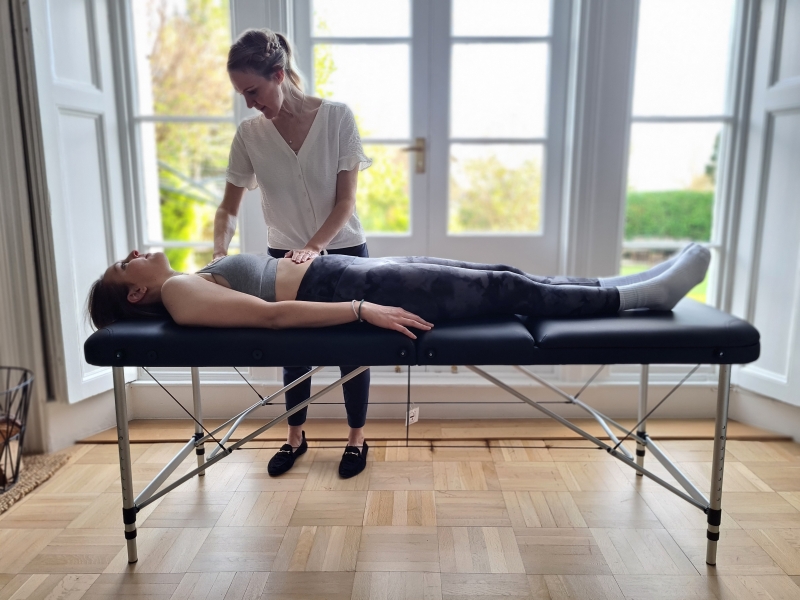
Breathing pattern retraining
Relearn how to breathe with ease and control
Read more →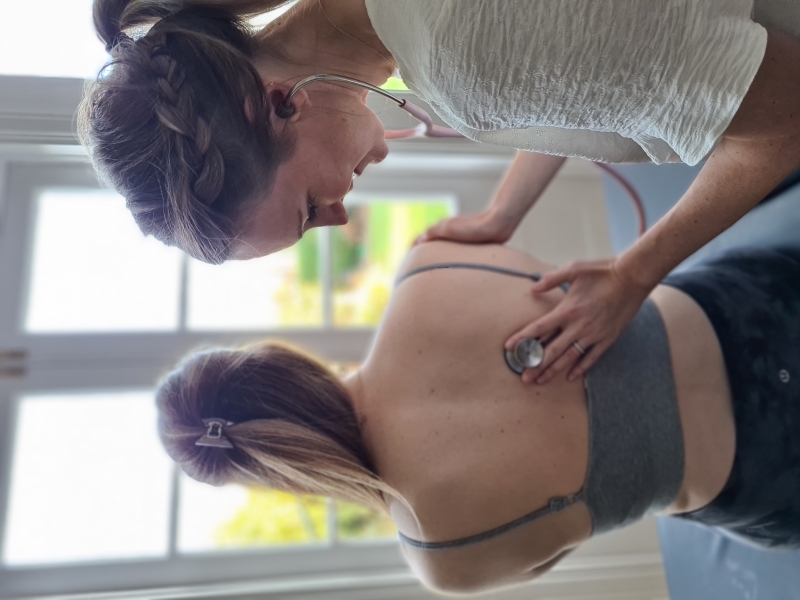
Lung conditions management
A professional assessment, treatment and education plan
Read more →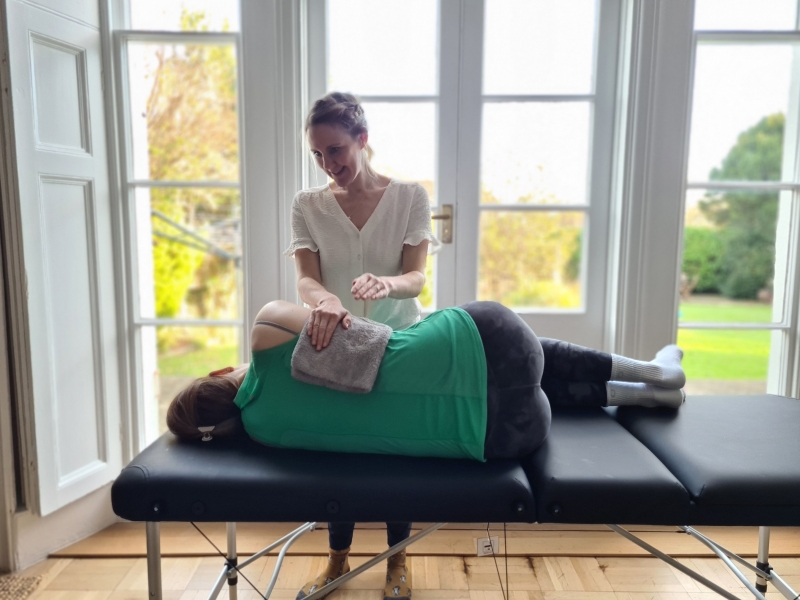
Airway Clearance Support
Therapy for maintaining clear and healthy airways, helping you to breathe easier
Read more →
Post Hospital Review
Supporting recovery and helping you regain strength and confidence after hospital admission
Read more →Frequently Asked Questions
Nasal Blockage, Sinusitis & Respiratory Physiotherapy
Understanding nasal blockage & sinusitis
What is sinusitis?
Sinusitis is inflammation of the sinuses — the air-filled spaces behind your cheeks, forehead and nose — which can cause a blocked or runny nose, facial pain or pressure, and a reduced sense of smell. It can be short-lived (acute), often after a cold, or long-lasting (chronic). Most sinusitis is managed by your GP or, for persistent cases, an ENT specialist.
What causes a blocked nose or nasal congestion?
A blocked nose can be caused by infections such as colds, allergies (like hay fever), sinusitis, nasal polyps, or structural issues inside the nose. The lining swells and produces more mucus, making it hard to breathe through your nose. Physiotherapy can help manage this symptoms to clear excess mucus with nasal exercises and advice.
When should I see a GP or ENT specialist about sinus or nasal problems?
You should see your GP if symptoms are severe, last more than about ten days without improving, keep coming back, affect only one side of your nose, or if you have any concerning symptoms such as nosebleeds, facial swelling or vision changes. Your GP can treat many cases and refer you to an ENT specialist if needed. These problems generally need medical or ENT input rather than physiotherapy alone.
How physiotherapy fits in
Can physiotherapy help with nasal blockage or sinusitis?
Yes, however, physiotherapy doesn't treat the underlying nasal or sinus condition itself — that's the role of your GP or ENT specialist. Where respiratory physiotherapy can help is with breathing-related habits that often accompany a blocked nose, such as a tendency to breathe through the mouth, and with breathing pattern problems that can develop alongside chronic congestion. It's a supportive role rather than a primary treatment.
How can physiotherapy help my nasal breathing?
If a habit of mouth breathing has developed — sometimes lingering even after the original blockage improves — a physiotherapist can help you re-establish nasal breathing through breathing retraining and nasal clearing exercises They can also help if an unhelpful breathing pattern has built up alongside congestion. This works best once any treatable nasal or sinus problem has been addressed medically.
Can breathing retraining help a blocked nose?
Breathing retraining won't clear a structurally or medically blocked nose, but it can help encourage nasal breathing and address breathing pattern habits associated with congestion. For some people, gentle techniques to promote nasal breathing are useful once the underlying cause is being managed. A physiotherapist can advise whether this is likely to help in your case.
Can physiotherapy cure sinusitis?
No — physiotherapy doesn't cure sinusitis. Treatment of the condition itself, whether medication, nasal sprays, allergy management or, in some cases, surgery, is directed by your GP or ENT specialist. Physiotherapy's role is limited to nasal clearances and breathing-related aspects.
How it links to breathing
Why is nasal breathing important?
Breathing through your nose filters, warms and humidifies the air before it reaches your lungs, and supports a calmer, more efficient breathing pattern. Long-term mouth breathing can contribute to a dry mouth, disturbed sleep and unhelpful breathing habits. Restoring nasal breathing, where possible, has benefits beyond just comfort.
What is mouth breathing and why does it matter?
Mouth breathing is when you habitually breathe through your mouth rather than your nose, often starting because of a blocked nose and sometimes continuing as a habit. It can contribute to breathing pattern problems, a dry mouth and poorer sleep. If the underlying blockage has been treated but the habit remains, a physiotherapist can help you retrain nasal breathing.
How is nasal blockage linked to breathing pattern disorders?
A persistently blocked nose can encourage mouth breathing and upper-chest breathing, which over time can develop into a breathing pattern disorder with symptoms like breathlessness and chest tightness. In these cases, treating the nasal problem medically and retraining the breathing pattern with physiotherapy can work well together. A physiotherapist can assess whether a breathing pattern problem has developed.
Sessions & what to expect
What happens in a physiotherapy session for breathing and nasal habits?
Your session focuses on assessing how you breathe — including whether you breathe through your nose or mouth — and any breathing pattern habits. Your physiotherapist then explains what they've found and, where appropriate, teaches techniques to encourage nasal breathing and a calmer pattern. They'll also be clear about when something needs your GP or an ENT specialist instead.
Do I need a referral to see a physiotherapist?
No, at Take a Breath Physio you can self refer by clicking the contact button and start your journey to breathe better – live better.