
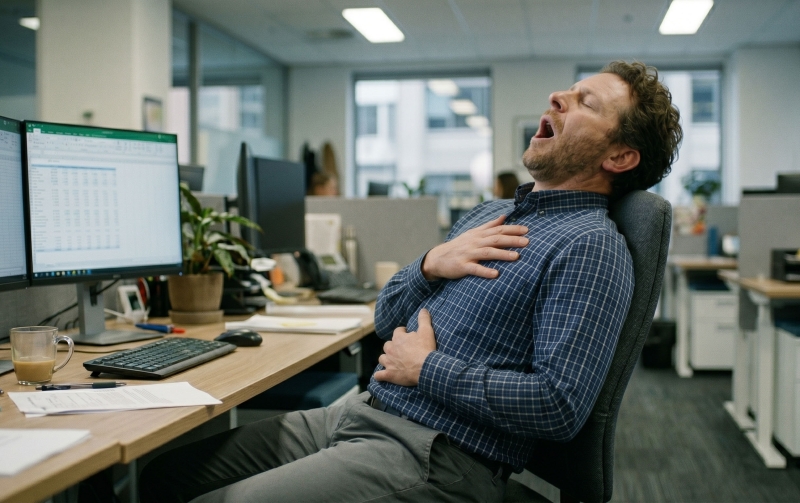
Are you experiencing any of the following?
-
Frequent yawning or sighing
-
Breathlessness on bending, lying down or at rest
-
Tight chest or difficulty expanding your chest
-
Pins and needles or cold fingers or toes
-
Heart palpitations or feeling faint
please consult with doctor before making appointment
-
Loud or heavy heartbeat
-
Feeling of not being able to catch your breath
-
Increased tiredness
-
Fatigue or weakness
-
Difficulty breathing during exercise
How can we help?
At Take a Breath Physio, highly skilled breathing Physiotherapists work alongside you to unpick your breathing problems, improve your breathing pattern with tailored breathing pattern disorder treatment to fit with your busy lifestyle and help you feel confident breathing again.
We offer:
- In-depth Breathing Pattern Assessment
- Breathing Pattern retraining programme tailored to your needs.
- Breathlessness management strategies
- Cough control and airway clearance techniques if indicated
- Nasal clearance
- Exercise review and graded activity support
- Advice on pacing and symptom management
- Support returning to exercise and daily activities
- Review of existing lung conditions that may coincide.

What is a Breathing Pattern Disorder?
A breathing pattern disorder put simply is, an increase in breath rate or depth that is not relative to the current level of activity.
Breathing pattern disorders may be commonly known as hyperventilation and can be mis-diagnosed as panic attacks. They can be linked to an underlying respiratory condition or be completely standalone and can affect anyone at anytime.
Why breathing matters?
Breathing is something we take for granted until it changes and affects what we are able to do. The balance of the human body depends on the breath we take and so it is important to make sure it is as effective and efficient as possible.
Did you know?
Breathing pattern disorder can originate from several conditions, including:
- Asthma
- COPD
- Pulmonary fibrosis
- Anxiety
- Fatigue
- Post-viral (Long COVID)
- Exercise
What services do we offer?
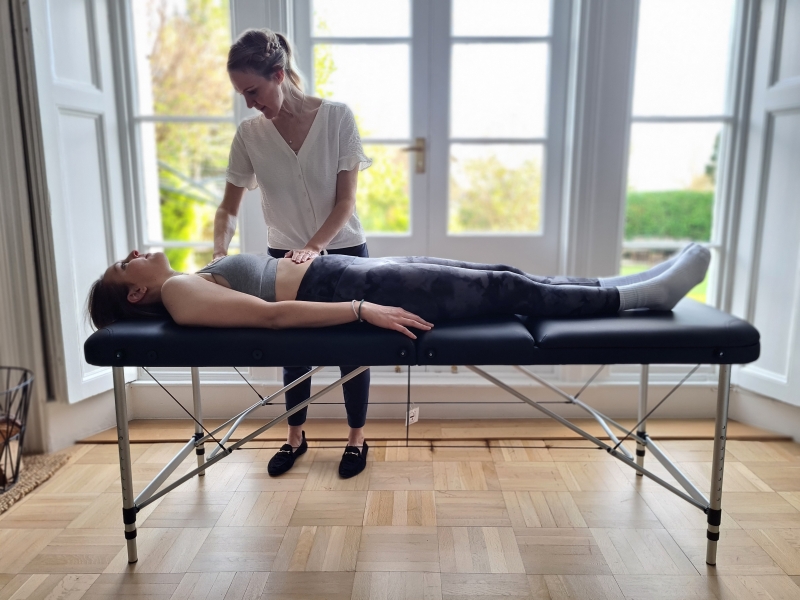
Breathing pattern retraining
Relearn how to breathe with ease and control
Read more →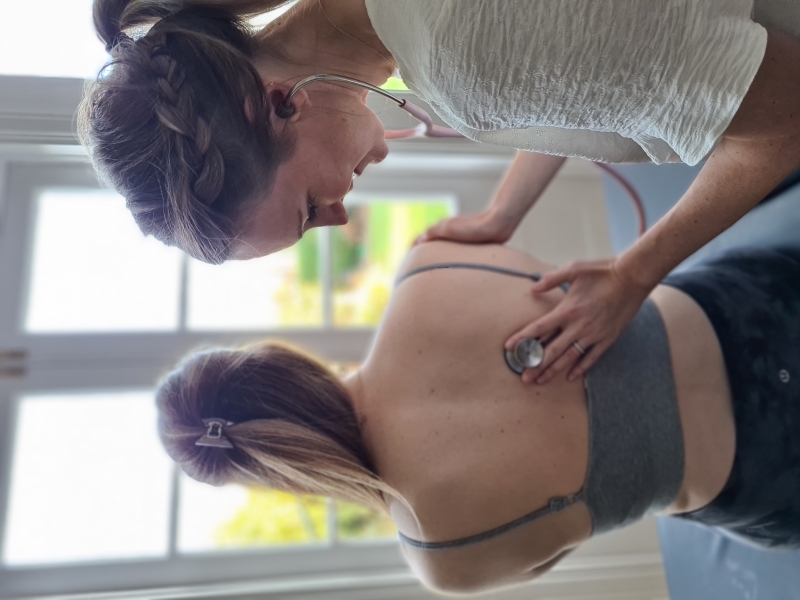
Lung conditions management
A professional assessment, treatment and education plan
Read more →
Sport Performance Enhancement
Don't let your breath stop you reaching your full potential
Read more →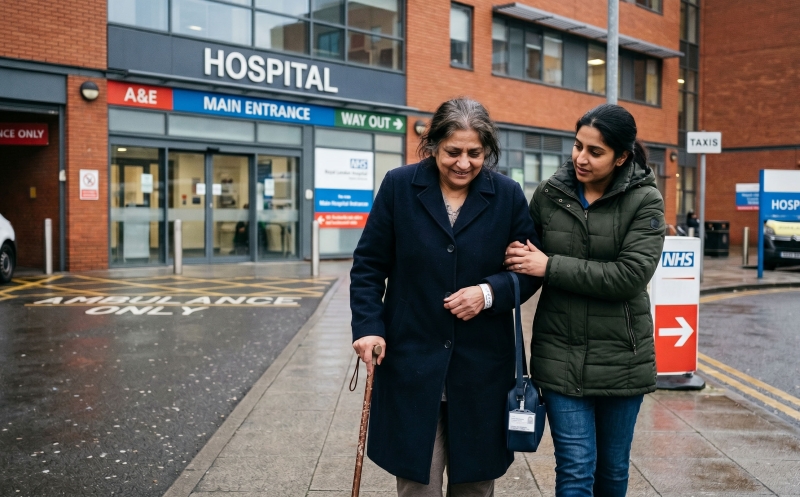
Post Hospital Review
Supporting recovery and helping you regain strength and confidence after hospital admission
Read more →Frequently Asked Questions
Breathing Pattern Disorders & Respiratory Physiotherapy
Understanding breathing pattern disorders
What is a breathing pattern disorder?
A breathing pattern disorder, sometimes called dysfunctional breathing, is when the way you breathe becomes inefficient — for example breathing too fast, too deeply, or mainly from the upper chest rather than the diaphragm. This can cause a wide range of symptoms even when your lungs are healthy. It's a common, very treatable problem, and respiratory physiotherapy is one of the main treatments.
What causes a breathing pattern disorder?
Breathing pattern disorders can develop for many reasons, including stress and anxiety, illness (such as after a chest infection or COVID), habit, pain, or alongside conditions like asthma, COPD, Pulmonary fibrosis. Often there's no single cause and several factors combine. The good news is, whatever the trigger, the breathing pattern itself can usually be retrained.
What are the symptoms of a breathing pattern disorder?
Symptoms are varied and can include breathlessness (often with normal test results), frequent sighing or yawning, an inability to get a satisfying breath, chest tightness, dizziness, tingling in the hands or around the mouth, and feeling anxious or fatigued. Because these symptoms overlap with other conditions, a breathing pattern disorder is often missed. A physiotherapy assessment can help identify it.
Is a breathing pattern disorder the same as hyperventilation?
Hyperventilation — over-breathing — is one type of breathing pattern disorder, but the term covers more than that. Some people breathe too much, others breathe in an erratic or upper-chest pattern without obviously over-breathing. The common thread is an inefficient breathing pattern that produces symptoms, all of which respond to breathing retraining.
Can a breathing pattern disorder cause breathlessness with normal test results?
Yes — this is one of the classic features. People often feel genuinely breathless yet have normal lung function tests, scans and blood oxygen levels, which can be confusing and worrying. It's a strong clue that the breathing pattern itself, rather than a lung or heart problem, is driving the symptoms — and this is exactly what physiotherapy addresses.
How it links to other conditions
How is a breathing pattern disorder linked to asthma?
Breathing pattern disorders are very common in people with asthma and can produce symptoms that feel like asthma but don't respond to inhalers. This sometimes leads to asthma being thought of as poorly controlled when the real issue is the breathing pattern. A physiotherapist can help tell the two apart and treat the breathing pattern alongside your asthma care.
How is a breathing pattern disorder linked to anxiety?
Anxiety and breathing are closely connected — anxiety can change how you breathe, and an unhelpful breathing pattern can in turn fuel feelings of anxiety, creating a cycle. Symptoms like breathlessness, chest tightness and dizziness can be frightening, which makes breathing worse. Breathing retraining helps calm both the pattern and the symptoms, and it often works well alongside support for anxiety itself.
Treatment & breathing retraining
Can physiotherapy treat a breathing pattern disorder?
Yes — respiratory physiotherapy is the main treatment for breathing pattern disorders. Through assessment and breathing retraining, a physiotherapist helps you relearn a calm, efficient breathing pattern and reduce your symptoms. Most people see meaningful improvement, and many resolve their symptoms with the right guidance and practice.
How is a breathing pattern disorder diagnosed?
There's no single test; it's usually identified through a careful assessment of how you breathe at rest, during talking and during activity, alongside your symptoms and history. A respiratory physiotherapist is well placed to do this.
What is breathing retraining?
Breathing retraining is the process of relearning a relaxed, efficient breathing pattern — typically slower, lighter, through the nose, and led by the diaphragm rather than the upper chest and shoulders. Your physiotherapist guides you through techniques and exercises, then helps you carry the new pattern into daily life, talking and activity. With practice it gradually becomes your natural way of breathing.
How long does it take to retrain breathing?
This varies, but many people notice some improvement within a few weeks of regular practice, with more lasting change over a couple of months. Consistency matters more than intensity — short, regular practice tends to work best. Your physiotherapist will give you a realistic idea based on your assessment and the severity of your breathing pattern disorder.
Can a breathing pattern disorder be cured?
For many people, yes — once the breathing pattern is retrained and the new habit is embedded, symptoms often resolve and stay away. Some people need to return to their techniques during stressful periods or illness, when old patterns can creep back. Your physiotherapist will give you the tools to manage this independently.
Sessions & what to expect
What happens in a breathing pattern disorder physiotherapy session?
Your first session involves a detailed assessment of your breathing and symptoms, often including watching how you breathe at rest and during activity. Your physiotherapist then explains what they've found and begins teaching retraining techniques tailored to you. You'll practise between sessions, with follow-ups to refine your technique and track progress.
Will my symptoms come back?
Symptoms can sometimes return during periods of stress, anxiety or illness, when unhelpful breathing habits tend to resurface. The advantage of breathing retraining is that, once you've learned the techniques, you can use them again whenever you need to. Your physiotherapist will make sure you leave with the skills to manage any flare-ups yourself.
Do I need a referral to see a physiotherapist for a breathing pattern disorder?
No, at Take a Breath Physio you can self refer by clicking the contact button and start your journey to breathe better – live better.