
Treatment outcomes
-
Breathing better and living better
-
Return to exercise
-
Return to hobbies and social occasions
-
Long term self-management
-
Understanding of chronic cough and confidence
-
Improve bladder and bowel control
-
Reduce abdominal tension
-
Reduce rib soreness
How can we help?
Assessment
- Assessment of cough symptoms and triggers
- Breathing pattern evaluation
- Upper airway assessment
- Nasal clearance assessment
- Airway clearance assessment
- Cough control and throat relaxation techniques.
- Breathing retraining exercises
- Sputum clearance techniques and advice
- Education on cough management strategies
- Trigger identification and symptom management
- Advice on pacing and voice protection
- Personalised treatment and self-management plan

Analysis
A comprehensive and detailed review of your problem list unique to your symptoms.
Treatment
Evidence-based clinical treatment programmes using training from Buteyko, BradCliff© Oxygen Advantage alongside clinically recommendations from the latest update on Chronic Cough guidelines.

What conditions is this applicable to?

Breathing Pattern Disorder
When breathing no long meets the needs of your body or activity
Read more →
Chronic Cough
A cough that lasts more than 8 weeks
Read more →
Long COVID
Signs and symptoms such as breathlessness and fatigue that continue for 12 weeks+ after COVID-19
Read more →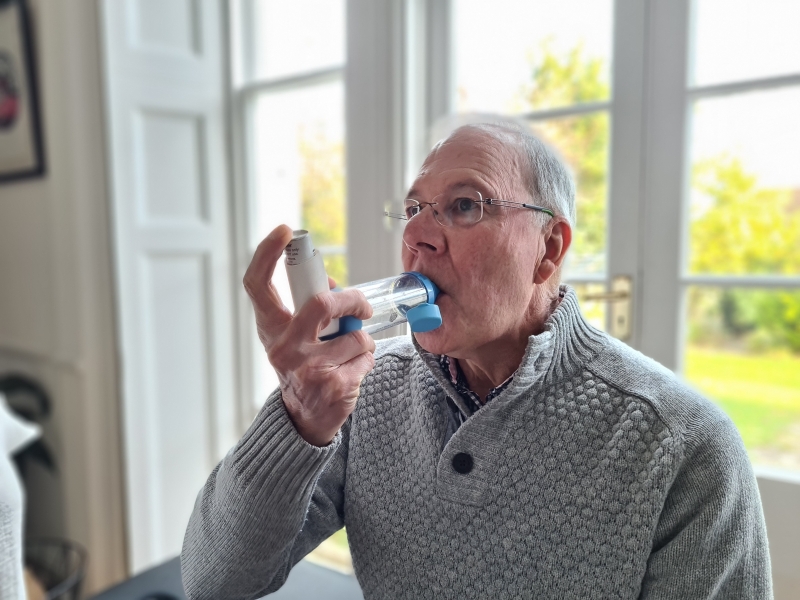
Asthma
Where airways are affected, often causing breathlessness, wheeze and cough
Read more →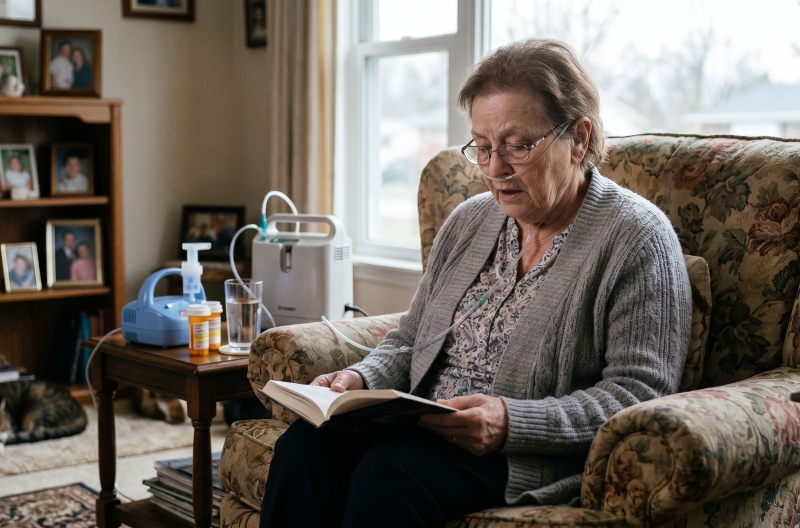
COPD
A lung condition where you may experience breathlessness, cough, fatigue and reduced exercise tolerance
Read more →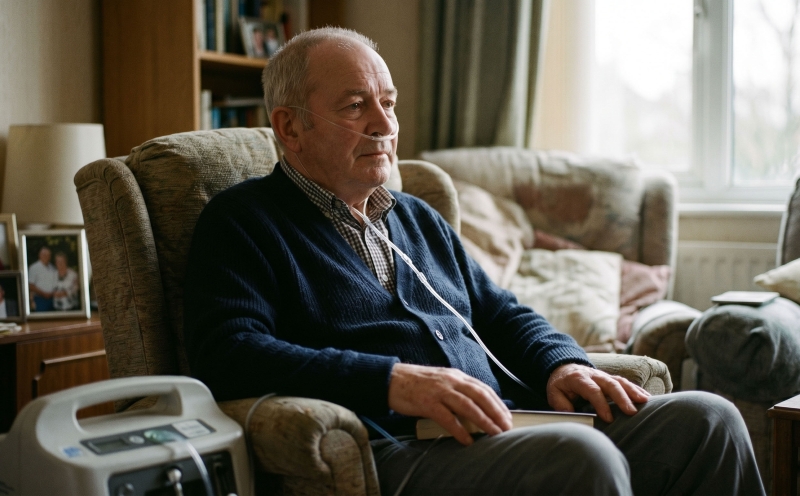
Pulmonary fibrosis
A lung condition that leads to breathlessness, cough, fatigue and reduced exercise tolerance
Read more →
Nasal blockage and Sinusitis
Nose conditions that impact breathing quality and wellbeing
Read more →
Bronchiectasis
A long-term lung condition associated with cough, increased mucus production and breathlessness
Read more →Frequently Asked Questions
Cough therapy with Take a Breath Physio
General questions
What is cough therapy?
Cough therapy — sometimes called cough control or cough suppression therapy — is a physiotherapy treatment for coughs that persist even when any underlying causes have been treated or none has been found. It works by calming an over-sensitive cough reflex in the throat (larynx) addressing postural changes, retraining the breathing and throat habits that keep a cough going, so you cough less and regain comfort and control.
How is cough therapy different from treating the cause of my cough?
Medical treatment targets triggers such as asthma, reflux or infection. But in many long-standing coughs, the reflex itself has become over-sensitive, so the coughing continues after the trigger has settled — each cough irritating the throat and provoking the next. Cough therapy targets that cycle directly, which is why it can succeed where repeated rounds of medication haven't.
What happens in a cough therapy session?
Your first session maps your cough: its history, triggers and any investigations you've had, plus an assessment of your breathing pattern, nose and upper airway, and whether mucus is playing a part. Your physiotherapist then explains why your cough is persisting and starts teaching your first control techniques, with follow-ups to build on what's working.
What techniques will I learn?
You'll learn to spot the earliest warning of a cough and interrupt it — using strategies such as a swallow or sip of water, throat-relaxation exercises and quiet nose breathing that soothes rather than irritates the airway. Alongside these, breathing retraining reduces the background irritation driving the reflex, and you'll get practical advice on hydration, voice care and managing your personal triggers.
Can coughing really cause rib pain, abdominal tension or bladder leaks?
Yes — a forceful, repetitive cough is hard physical work. It can strain rib joints and abdominal muscles and put repeated pressure on the pelvic floor, which is why bladder leaks with coughing are so common and so rarely talked about. As your cough settles these problems usually ease, and your physiotherapist can include specific advice and exercises for them in your plan.
How quickly does cough therapy work?
Many people notice a difference within the first couple of sessions once they understand their cough and start using the techniques, with a short course — often around three to five sessions — to make the improvement stick. Long-standing coughs can take longer, but even small early wins tend to build, because every cough avoided lets the throat calm further.
Should I have my cough investigated before starting therapy?
A cough lasting more than three weeks should always be checked by your GP first, and urgently if you're coughing up blood, losing weight, or increasingly breathless. Cough therapy is for when serious causes have been ruled out or treated and the cough persists. If your assessment suggests something needs medical review, at Take a Breath Physio, your physiotherapist will say so and point you back to your GP.
Do I need a referral for cough therapy?
No — you can self-refer to Take a Breath Physio by clicking the contact button and start your journey to breathe better – live better. Treatment follows the latest chronic cough guidelines and works well alongside care from your GP or Consultant.