
Are you experiencing any of the following?
-
Breathlessness at rest or on minimal exertion?
-
Cough throughout the day
-
Cough waking you at night
-
Difficulty clearing mucus from your lungs?
-
Fatigue and tiredness
-
Worsening signs and symptoms and unsure how to make your day more comfortable?
How can we help?
A Pulmonary fibrosis review and Physiotherapy assessment can help reduce symptom burden and improve your day-to-day breathing control.
Our Pulmonary fibrosis rehabilitation and physiotherapy support may include:
- Comprehensive assessment of breathlessness, cough, fatigue, and physical function
- Review of current symptoms, medical history, medications, and daily challenges
- Breathing pattern assessment and education on effective breathing techniques
- Guidance on airway clearance and secretion management where appropriate
- Personalised exercise and activity advice to improve endurance and maintain mobility
- Energy conservation and pacing strategies to help manage fatigue
- Support with managing anxiety related to breathlessness and reduced activity tolerance
- Advice on oxygen use, positioning, and symptom relief strategies if required
- Education on pulmonary fibrosis, self-management, and recognising symptom changes
- Individualised treatment plan with practical goals and recommendations for ongoing care and rehabilitation
At Take a Breath Physio, our expert respiratory physiotherapists provide tailored breathing management and rehabilitation techniques to help you feel more confident, active and in control of your symptoms.
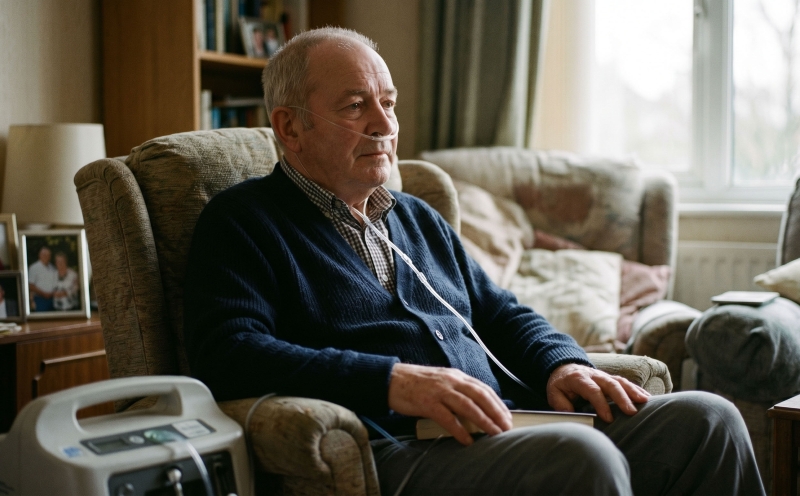

What is Pulmonary Fibrosis?
This lung disease is caused when there is scarring and thickening of the air sacs in the lungs called alveoli. This scarring reduces the expansion and contraction of the air sacs as you breathe resulting in reduced oxygen passing from the lungs into the bloodstream. Often a cause cannot be found but the condition can stabilise for a long time but it can also rapidly decline in others.
Take A Breath Physio can support you following a diagnosis of Pulmonary Fibrosis through education, breathlessness self-management strategies, and tailored exercise support to improve fitness and breathing efficiency. We also provide support to help manage cough, fatigue, and overall quality of life.
Links guidelines and support
What services do we offer?
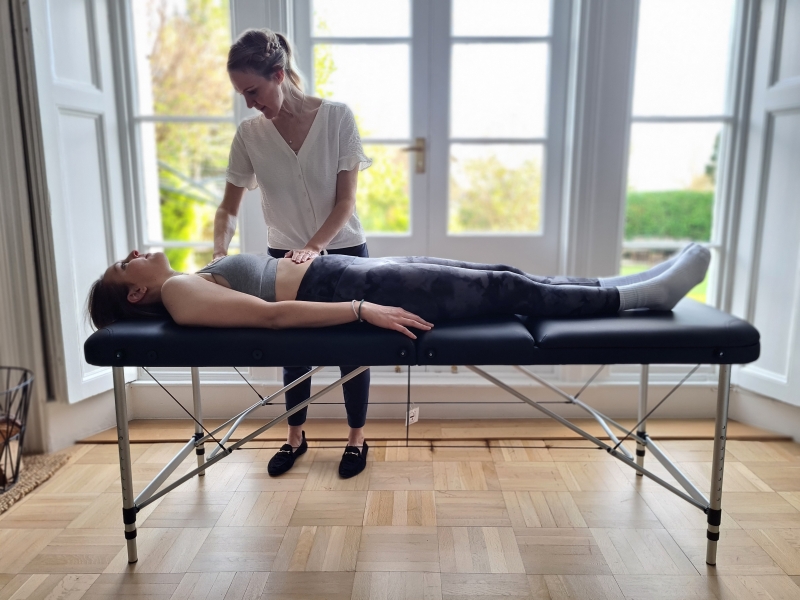
Breathing pattern retraining
Relearn how to breathe with ease and control
Read more →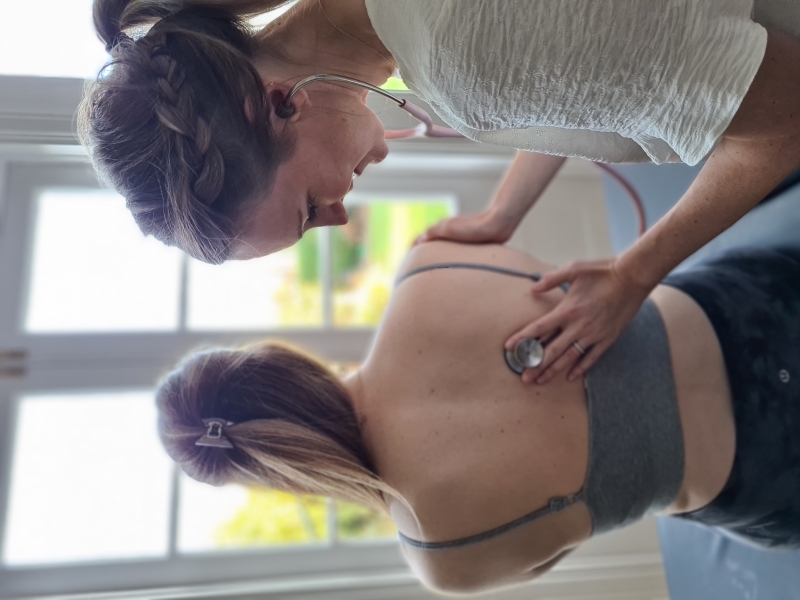
Lung conditions management
A professional assessment, treatment and education plan
Read more →
Airway Clearance Support
Therapy for maintaining clear and healthy airways, helping you to breathe easier
Read more →
Post Hospital Review
Supporting recovery and helping you regain strength and confidence after hospital admission
Read more →Frequently Asked Questions
Pulmonary Fibrosis & Respiratory Physiotherapy
Understanding pulmonary fibrosis & physiotherapy
Can physiotherapy help with pulmonary fibrosis?
Yes — while physiotherapy can't reverse pulmonary fibrosis, it plays an important role in helping you manage breathlessness, stay as active and independent as possible, and improve your quality of life. Through breathing techniques, gentle exercise and practical strategies, a physiotherapist can help you make the most of your lung capacity
How does physiotherapy help pulmonary fibrosis?
Physiotherapy focuses on managing the symptoms that affect you most, particularly breathlessness and reduced stamina. This usually involves breathing techniques, a carefully tailored exercise programme, energy-conservation strategies, and support if you use oxygen. The aim is to help you stay active and do more of what matters to you, with less breathlessness.
What does a respiratory physiotherapist do for pulmonary fibrosis?
A respiratory physiotherapist assesses your breathing, exercise tolerance and daily challenges, then builds a personalised plan to manage your symptoms. They can teach breathing techniques, guide safe exercise, advise on pacing and energy saving, and support you with oxygen if needed. They work closely with your specialist lung team to make sure their care fits with your overall treatment.
Can physiotherapy slow down pulmonary fibrosis?
Physiotherapy doesn't slow the disease process itself — that's managed by your specialist team and any medication you're prescribed. What physiotherapy can do is help you maintain your fitness and function for as long as possible, manage breathlessness, and improve your quality of life. These benefits are meaningful even though they don't change the underlying condition.
Who can benefit from pulmonary fibrosis physiotherapy?
Most people with pulmonary fibrosis can benefit, at any stage of the condition, with the programme adjusted to suit how you're feeling. It's particularly helpful if you're breathless during everyday activities, becoming less active, or finding daily tasks harder. The approach is always gentle, individualised and paced to your ability.
Managing breathlessness
Can physiotherapy improve breathlessness in pulmonary fibrosis?
Physiotherapy can't remove breathlessness, but it can help you manage and cope with it far better. Breathing techniques, positions of ease, pacing and learning to stay calm all reduce the impact breathlessness has on your life. Many people find these strategies give them more confidence and control during daily activities.
What breathing techniques help pulmonary fibrosis?
Helpful techniques include relaxed breathing control, pursed-lip breathing to ease the work of breathing, and recovery positions that take effort off your breathing muscles. Managing the anxiety that often comes with breathlessness is also part of it. A physiotherapist will teach you the techniques that work best for you and when to use them.
How can I manage breathlessness day to day?
Pacing and planning are key — breaking activities into manageable steps, resting when you need to, and using breathing techniques during effort. Simple changes around the home and saving energy for what matters most can make a real difference. A physiotherapist can look at your specific daily activities and suggest practical adjustments.
Exercise & pulmonary rehabilitation
Is exercise safe with pulmonary fibrosis?
For most people with pulmonary fibrosis, appropriately tailored exercise is safe and beneficial, helping maintain strength, stamina and independence. It does need to be at the right level and properly guided, especially if you use oxygen. A physiotherapist will assess you and design a programme that's safe and suited to your ability, often as part of pulmonary rehabilitation.
What is pulmonary rehabilitation for pulmonary fibrosis?
Pulmonary rehabilitation is a structured programme of supervised, tailored exercise and education for people with lung conditions, including pulmonary fibrosis. It's designed to improve fitness, ease breathlessness and help you live well with your condition. Many people with pulmonary fibrosis find it improves their stamina, confidence and quality of life.
Can physiotherapy help if I'm on oxygen?
Yes — physiotherapists are experienced in supporting people who use oxygen, including helping you stay active safely and use your oxygen effectively during exercise and daily tasks. Your oxygen needs are guided by your specialist team, and physiotherapy works within that. Being on oxygen doesn't mean you can't benefit from staying active.
Daily living & what to expect
How do I conserve energy with pulmonary fibrosis?
Energy conservation means planning ahead, pacing yourself, sitting to do tasks where possible, and balancing activity with rest so you can do more of what you value. These strategies help you manage fatigue and breathlessness. A physiotherapist or occupational therapist can tailor them to your home and routine.
Will physiotherapy help me feel better?
Many people do feel better in terms of confidence, control and quality of life, even though physiotherapy doesn't change the underlying condition. Being able to manage breathlessness, stay active and keep doing meaningful activities matters a great deal to wellbeing. Your physiotherapist will focus on the goals that are most important to you.
What happens in a pulmonary fibrosis physiotherapy session?
Your first session involves a gentle, thorough assessment of your breathing, exercise tolerance and daily challenges, with time to understand what matters most to you. Your physiotherapist then introduces techniques and, where appropriate, a tailored exercise plan, monitoring how you respond. Sessions are always paced to how you're feeling.
How many sessions will I need?
This depends on your needs and how the condition affects you. Ongoing support may be provided as a flexible series of reviews to adapt your plan over time. Your physiotherapist will discuss a realistic plan after your assessment.
Do I need a referral to see a physiotherapist for pulmonary fibrosis?
No, at Take a Breath Physio you can self refer by clicking the contact button and start your journey to breathe better – live better.