
Are you experiencing any of the following?
-
Persistent cough lasting several weeks or longer
-
Daily mucus or sputum production
-
Difficulty clearing mucus from the chest
-
Recurrent chest infections requiring antibiotics
-
Shortness of breath, especially during activity
-
Wheezing or noisy breathing
-
Fatigue and reduced energy levels
-
Chest discomfort or tightness
-
Reduced exercise tolerance and physical stamina
How can we help?
- Comprehensive assessment of cough, mucus production, breathlessness, and chest symptoms
- Review of medical history, chest infections, medications, and current respiratory management
- Assessment of breathing patterns and respiratory function
- Personalised airway clearance techniques to help remove mucus effectively
- Guidance on managing flare-ups and recognising early signs of chest infections
- Advice on breathing control, positioning, and techniques to reduce breathlessness
- Individualised exercise and physical activity advice to improve stamina and lung health
- Education on self-management strategies and maintaining long-term respiratory wellbeing
- Support with fatigue management, pacing, and maintaining daily activities
- Personalised treatment plan with practical goals, rehabilitation advice, and recommendations for ongoing care

What is the Bronchiectasis?
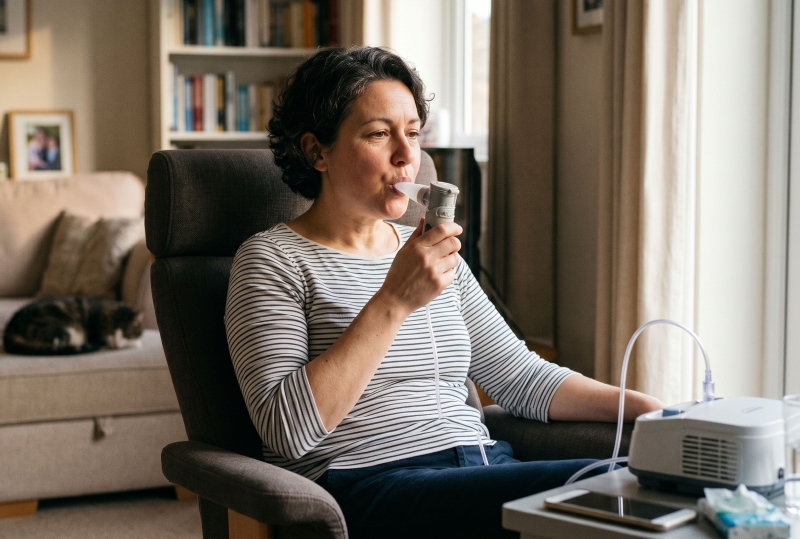
Bronchiectasis is a lung condition whereby the airways widen and scar resulting in the reduced effectiveness to clear mucus. Trapped mucus promotes bacterial growth and this can lead to repeat infections and further damage. These changes result in a productive cough, wheeze, fatigue and shortness of breath which can impact on socially occasions and reduce physical ability when exercising or playing hobbies.
Take a Breath Physio, supports you with education if newly diagnosed, ongoing self-management to clear your chest and manage your secretions. Education about maintaining lung health and support you to reintroduce exercise and return to the things you love most.
Links guidelines and support
What services do we offer?
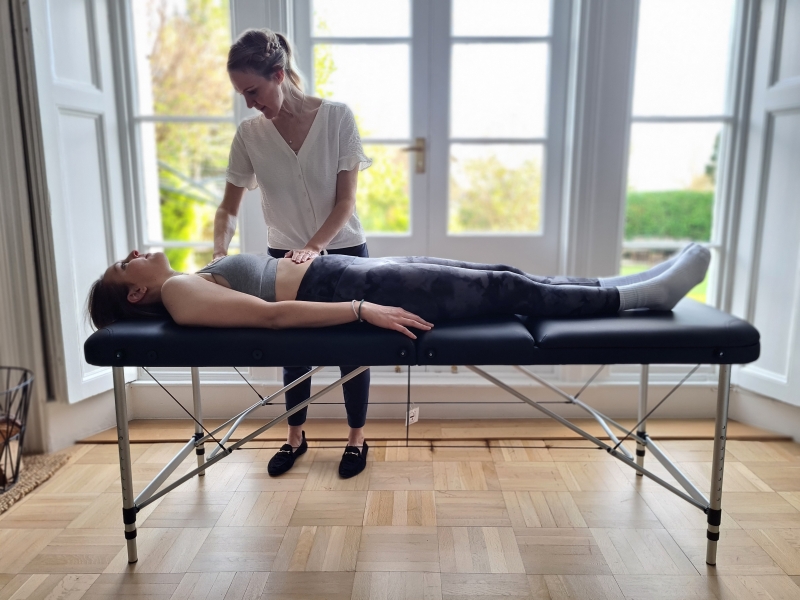
Breathing pattern retraining
Relearn how to breathe with ease and control
Read more →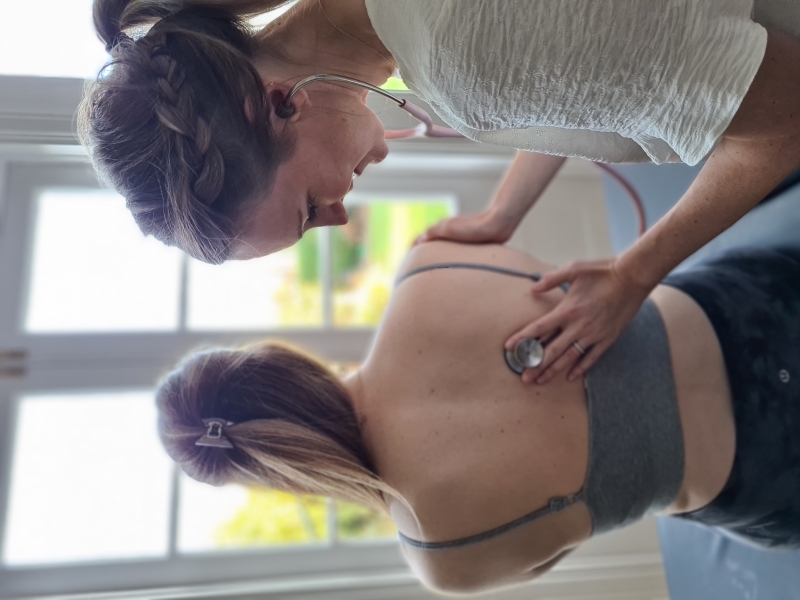
Lung conditions management
A professional assessment, treatment and education plan
Read more →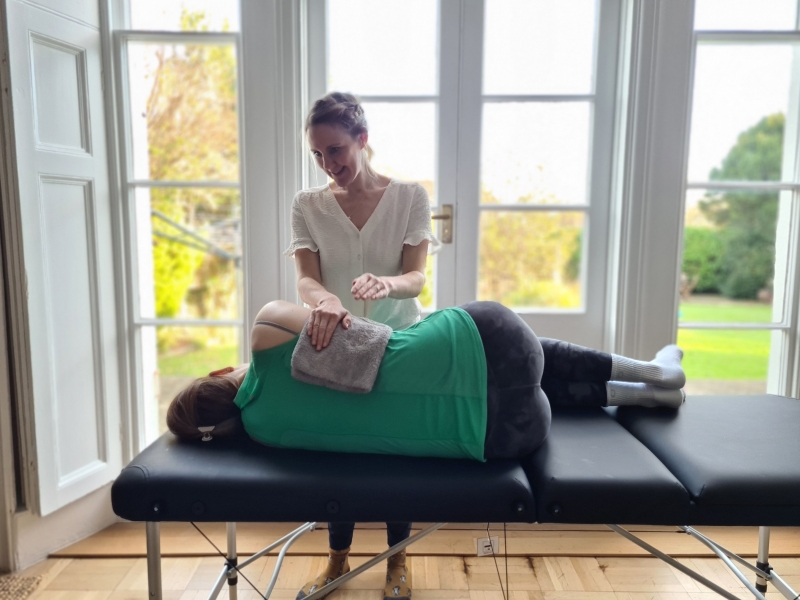
Airway Clearance Support
Therapy for maintaining clear and healthy airways, helping you to breathe easier
Read more →
Post Hospital Review
Supporting recovery and helping you regain strength and confidence after hospital admission
Read more →Frequently Asked Questions
Bronchiectasis & Respiratory Physiotherapy
Understanding bronchiectasis & physiotherapy
Can physiotherapy help with bronchiectasis?
Yes — respiratory physiotherapy is a cornerstone of bronchiectasis management. The condition causes mucus to build up in widened, damaged airways, and physiotherapy teaches you how to clear it effectively, which is central to staying well. Alongside airway clearance, physiotherapy supports your breathing, exercise and overall lung health, and works hand in hand with your medical care.
How does physiotherapy help bronchiectasis?
The main focus is airway clearance — techniques that help you move and clear the mucus that collects in your airways. Physiotherapy also includes breathing techniques, advice on exercise, and support during flare-ups. Clearing mucus effectively can reduce coughing and breathlessness and help lower the risk of chest infections.
What does a respiratory physiotherapist do for bronchiectasis?
A respiratory physiotherapist assesses your airways, mucus, breathing and fitness, then teaches you a personalised airway clearance routine you can do at home. They may also recommend breathing devices, advise on exercise and help you manage flare-ups. They work alongside your respiratory team so that physiotherapy supports your overall treatment.
Can physiotherapy cure bronchiectasis?
No — bronchiectasis is a long-term condition and the changes to the airways are permanent, so physiotherapy doesn't cure it. What it does, very effectively, is help you manage it: clearing mucus, reducing symptoms, lowering the risk of infections and helping you stay active. Good airway clearance is one of the most important things you can do to stay well.
Who can benefit from bronchiectasis physiotherapy?
Almost everyone with bronchiectasis benefits, because effective airway clearance is central to managing the condition. It's especially important if you produce a lot of phlegm, have frequent chest infections, or find clearing mucus difficult or tiring. The techniques are tailored to your airways and what works best for you.
Airway clearance — the cornerstone
Why is airway clearance so important in bronchiectasis?
In bronchiectasis the airways are widened and damaged, so mucus pools rather than clearing normally, which can lead to infection and further damage. Regular airway clearance breaks this cycle by removing mucus before it causes problems. It's one of the most important parts of staying well with bronchiectasis, which is why physiotherapy is so central to managing it.
What airway clearance techniques are used for bronchiectasis?
Common approaches include the active cycle of breathing technique, breathing devices, and positioning to help drain different parts of the lungs. The right combination depends on your airways, how much mucus you produce and what you find easiest. A physiotherapist will assess you and teach you a routine you can do independently at home.
What is the active cycle of breathing technique (ACBT)?
The active cycle of breathing technique is a widely used airway clearance method that combines three parts: relaxed breathing control, deep breathing to get air behind the mucus, and a "huff" to move it up and out. It's effective, requires no equipment, and can be done at home once you've been taught it. A physiotherapist will tailor it to you and make sure you're doing it correctly.
How often should I do airway clearance?
Most people with bronchiectasis need to do airway clearance regularly — often once or twice a day — though this varies depending on how much mucus you produce, and you may need to do more during a flare-up. Your physiotherapist will advise on a routine that suits you. Making it a consistent daily habit is key to staying well.
Are there devices that help clear mucus?
Yes — devices such as oscillating positive expiratory pressure (PEP) devices can help loosen and move mucus, and your physiotherapist can advise whether one would suit you and how to use it. Devices aren't right for everyone, and they're usually used alongside breathing techniques rather than instead of them. A physiotherapist will help you choose and use the right approach.
Breathing, exercise & flare-ups
Is exercise good for bronchiectasis?
Yes — regular exercise is beneficial in bronchiectasis. It improves fitness and stamina, can help with mucus clearance, and supports your overall lung health and wellbeing. A physiotherapist can recommend activities suited to your fitness and help you build up safely, sometimes as part of a pulmonary rehabilitation programme.
Can physiotherapy reduce chest infections in bronchiectasis?
Effective, regular airway clearance can help reduce the frequency of chest infections by stopping mucus from pooling and becoming infected. While it can't prevent every infection, keeping your airways clear is one of the best ways to lower your risk. Your physiotherapist will help you build a routine that keeps your airways as clear as possible.
How can physiotherapy help during a flare-up (exacerbation)?
During a flare-up you'll usually produce more mucus, so doing your airway clearance more often and effectively becomes even more important, alongside any treatment such as antibiotics from your doctor. Breathing techniques can also help with increased breathlessness. Your physiotherapist can help you adjust your routine during flare-ups and recover afterwards.
Sessions & what to expect
What happens in a bronchiectasis physiotherapy session?
Your first session involves assessing your airways, mucus, breathing and fitness, and understanding how bronchiectasis affects your daily life. Your physiotherapist then teaches you airway clearance techniques tailored to you and helps you practise them correctly. Follow-up sessions check your technique, adjust your routine and build your confidence to manage it independently.
How many sessions will I need for bronchiectasis?
Many people need only a few sessions to learn an effective airway clearance routine, followed by occasional reviews to check and adjust their technique over time. Because bronchiectasis is long-term, the goal is to make you confident managing it yourself day to day. Your physiotherapist will discuss a plan that suits you.
Will I need physiotherapy for life?
You'll likely need to do airway clearance regularly for life, as it's central to managing bronchiectasis — but the aim is for you to do this independently at home once you've been taught. You may benefit from occasional physiotherapy reviews to refine your technique or adjust your routine, and extra support during flare-ups. Most of the day-to-day management becomes part of your own routine.
Do I need a referral to see a physiotherapist for bronchiectasis?
No, at Take a Breath Physio you can self-refer by clicking the contact button and start your journey to breathe better – live better.