
Are you experiencing any of the following?
-
Persistent or repetitive coughing
-
Altered sensation or irritation in the throat
-
Voice changes or hoarseness
-
Fatigue and exhaustion
-
Night waking and disrupted sleep
-
Urinary incontinence during coughing episodes
-
Dizziness or fainting (cough syncope)
-
Vomiting after severe coughing episodes
-
Breathlessness or chest tightness
How can we help?
Persistent coughing can often feel embarrassing, disruptive, and frustrating. It may affect sleep, social situations, exercise, work, and overall quality of life.
Our specialist respiratory physiotherapists can help identify triggers and provide evidence-based strategies to reduce the sensation and frequency of coughing.
Treatment and rehabilitation may include:
- Cough release techniques
- Breathing pattern assessment and retraining
- Breathlessness management
- Airway clearance advice
- Vocal hygiene and throat care strategies
- Relaxation and pacing techniques
- Education around cough triggers and symptom management
- Support returning to exercise and normal activities
If you are experiencing a persistent cough lasting longer than 8 weeks, Take a Breath Physio can provide specialist chronic cough assessment, respiratory physiotherapy, and personalised rehabilitation support to help you manage symptoms more effectively.


What is Chronic Cough?
Coughing is a natural protective reflex that helps clear irritants, mucus, or foreign objects from the lungs and airways. It is an important involuntary response that helps protect the respiratory system.
People commonly cough to clear phlegm (mucus) from the lungs or to protect the airway during choking or irritation. However, over time, a cough can become persistent or habitual, meaning you continue to feel the urge to cough even when there is no clear physical reason.
A cough lasting longer than 8 weeks is known as a chronic cough. Chronic cough is often irritable, repetitive, exhausting, and can significantly affect daily life, sleep, confidence, and wellbeing.
Persistent cough symptoms can sometimes continue even after the original cause of the cough has been identified and treated. This ongoing sensitivity is commonly known as laryngeal hypersensitivity. Symptoms may include a sensation of a lump in your throat, excess throat mucus, throat tightness and or hoarse voice.
In some cases, people may experience inducible laryngeal obstruction (ILO) where the vocal chords narrow in response to triggers such as strong smells, talking, laughing or stress. This can also occur during exercise and this is known as exercise induced laryngeal obstruction (E-ILO). Both ILO and E-ILO can create difficulty with breathing and a feeling of restricted airflow.
These conditions are highly treatable with therapy. Take a Breath Physio better understand your symptoms, identify triggers and develop practical strategies to reduce symptoms, improve breathing control and restore confidence in daily life.
Links guidelines and support
What services do we offer?

Cough Therapy
Techniques for managing persistent cough and improving comfort
Read more →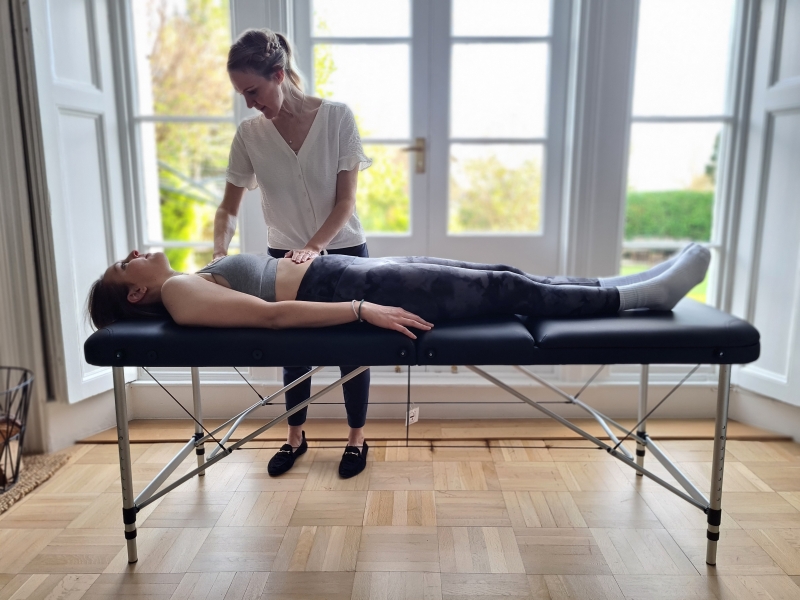
Breathing pattern retraining
Relearn how to breathe with ease and control
Read more →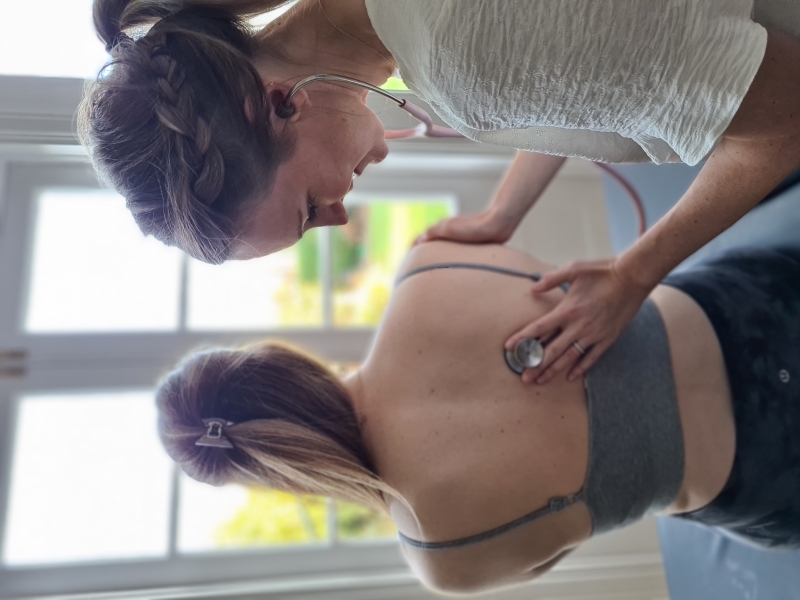
Lung conditions management
A professional assessment, treatment and education plan
Read more →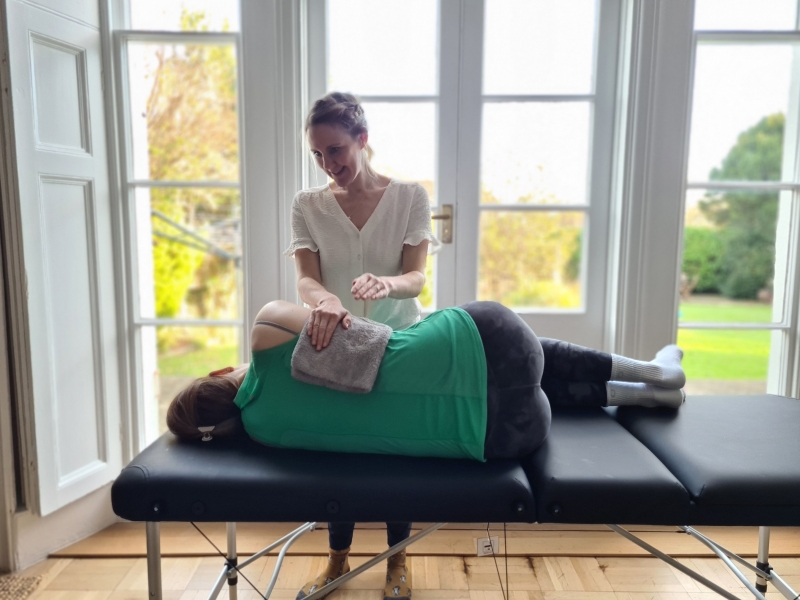
Airway Clearance Support
Therapy for maintaining clear and healthy airways, helping you to breathe easier
Read more →Frequently Asked Questions
Chronic Cough & Respiratory Physiotherapy
Understanding chronic cough
What is a chronic cough?
A chronic cough is generally one that lasts longer than eight weeks in adults. It can be dry or produce mucus, and may have an obvious cause or remain unexplained even after investigation. Because a persistent cough can have many underlying causes, it should always be assessed by a doctor before being treated as a long-term cough problem.
What causes a persistent cough?
Common causes include asthma, post-nasal drip, acid reflux, the after-effects of an infection, and certain medications, among others. Sometimes no clear cause is found, and the cough is driven by an over-sensitive cough reflex.
When should I see a doctor about a cough?
You should see your GP about any cough that lasts more than about three weeks, and seek prompt medical advice if you cough up blood, lose weight without trying, have chest pain, increasing breathlessness, a hoarse voice that won't settle, or feel generally unwell. These need proper assessment before any other treatment. Physiotherapy is considered once serious causes have been investigated and addressed.
How physiotherapy can help
Can physiotherapy help a chronic cough?
Yes — for many people with a persistent or unexplained cough, physiotherapy can be very effective, particularly when the cough is driven by an over-sensitive reflex or a breathing pattern problem rather than an untreated illness. A physiotherapist teaches techniques to reduce the urge to cough and break the cycle that keeps it going.
How does physiotherapy treat a chronic cough?
Physiotherapy for chronic cough typically combines education about why the cough persists, cough-control techniques to reduce the urge to cough, breathing exercises, and advice on things like hydration and reducing throat irritation. The goal is to "reset" an over-sensitive cough reflex. Many people significantly reduce their coughing through these techniques.
What is cough control therapy?
Cough control therapy (sometimes called cough suppression therapy) is a set of techniques that help you recognise and resist the urge to cough, calming an over-active cough reflex. It includes strategies such as substituting the cough with a swallow or sip of water, relaxed breathing, throat deconstruction and reducing throat irritation. Delivered by a trained physiotherapist or speech therapist, it can be highly effective for refractory cough.
What is a refractory or unexplained chronic cough?
A refractory chronic cough is one that continues despite treatment of any underlying causes, while an unexplained cough is one where no cause is found at all. Both are often linked to an over-sensitive cough reflex — the nerves controlling the cough become hypersensitive, so even minor triggers set off coughing. These types of cough often respond well to physiotherapy techniques.
Can breathing exercises help a cough?
Yes — for many people, relaxed breathing techniques and breathing retraining help settle a persistent dry cough, especially when it's linked to a breathing pattern problem or throat sensitivity. Breathing through the nose and reducing throat tension can lower the urge to cough. A physiotherapist will teach you the techniques most likely to help your particular cough.
How is a chronic cough linked to the throat or voice box?
A persistent cough is often connected to sensitivity around the throat and larynx (voice box), which can feel like a tickle, irritation or a need to clear your throat. This is sometimes called laryngeal hypersensitivity. Physiotherapists and speech therapists use specific techniques to calm this sensitivity and reduce the coughing it triggers.
Sessions & what to expect
What happens in a chronic cough physiotherapy session?
Your first session involves understanding your cough history, triggers and any investigations you've already had, plus an assessment of your breathing and throat sensations. Your physiotherapist then explains why the cough may be persisting and begins teaching control techniques. You'll practise between sessions, with follow-ups to build on what's working.
How many sessions will I need for a chronic cough?
Many people benefit from a short course of sessions — often around three to five — with practice in between. Some need only a couple of sessions to learn the techniques, while others benefit from more. Your physiotherapist will give you a clearer plan after your initial assessment.
Will my cough come back?
Once you've learned the techniques, you can use them again if the cough flares up — for example during or after a cold, when the cough reflex can become sensitive again. The aim is to leave you able to manage it independently. Your physiotherapist will make sure you have the tools to keep it under control.
Do I need a referral to see a physiotherapist for a chronic cough?
No, at Take a Breath Physio you can self refer by clicking the contact button and start your journey to breathe better – live better.
A persistent cough is a sensitive topic and can occasionally signal something that needs medical attention. If you're worried about your cough, please see your GP, who can check for any underlying causes.