
Are you experiencing any of the following?
-
Breathlessness
-
Wheeze and persistent cough
-
Chest tightness
-
Reduced exercise tolerance
-
Fatigue
-
Night waking due to breathing symptoms
-
Difficulty recovering after chest infections
-
Inhaler not providing the relief you need
How can we help?
An asthma review and respiratory physiotherapy assessment can help reduce worsening symptoms and improve day-to-day breathing control.
Our asthma rehabilitation and physiotherapy support may include:
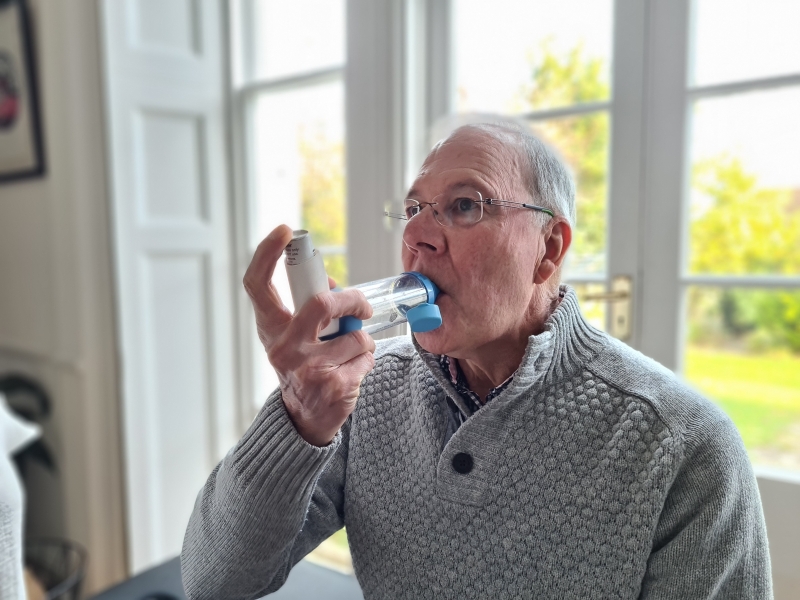
- Inhaler technique re-education
- Asthma action plan review
- Breathlessness management strategies
- Breathing pattern assessment and retraining
- Cough control and airway clearance techniques
- Nasal clearance
- Exercise review and graded activity support
- Advice on pacing and symptom management
- Support returning to exercise and daily activities
At Take a Breath Physio, our expert respiratory physiotherapists provide tailored breathing management and rehabilitation techniques designed to help you feel more confident, active, and in control of your symptoms.

What is Asthma?
Asthma is a common long-term respiratory condition that causes inflammation and narrowing of the airways, potentially leading to wheeze, coughing, chest tightness, and breathlessness.
Asthma can be diagnosed from early childhood onwards, with some children suspected at 3 and diagnosed as young as 5 years old. Diagnosis is usually confirmed by your GP or Respiratory Specialist.
Some people experience only mild asthma symptoms, often triggered by exercise, cold weather, or respiratory infections. Others may experience persistent daily symptoms that affect work, sleep, exercise, family life, and overall wellbeing despite taking prescribed medication.
At Take a Breath Physio, we provide specialist asthma physiotherapy and breathlessness management to help improve breathing control, physical confidence, and quality of life.
Links guidelines and support
What services do we offer?
Breathing pattern retraining
Relearn how to breathe with ease and control
Read more →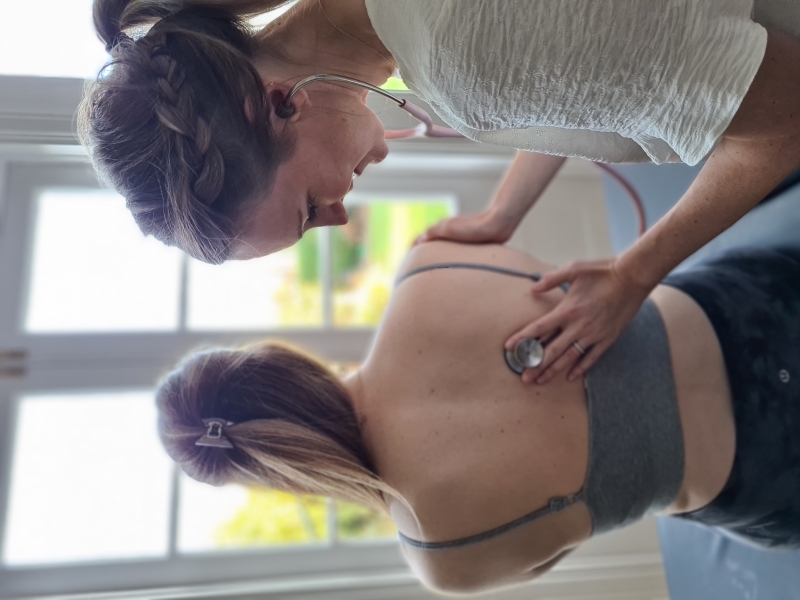
Lung conditions management
A professional assessment, treatment and education plan
Read more →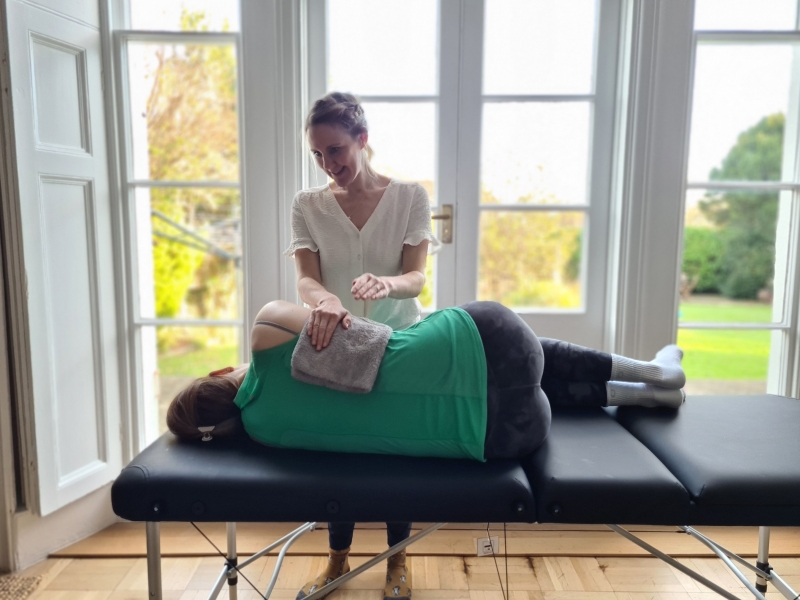
Airway Clearance Support
Therapy for maintaining clear and healthy airways, helping you to breathe easier
Read more →
Post Hospital Review
Supporting recovery and helping you regain strength and confidence after hospital admission
Read more →Frequently Asked Questions
Asthma and Respiratory Physiotherapy
Understanding asthma and physiotherapy
Can physiotherapy help with asthma?
Yes – respiratory physiotherapy is a vaualble component to managing asthma alongside your prescribed medication. Physiotherapists ensure you are fully educated about asthma, treat breathing pattern disroders commonly associated with asthma, help you to exercise to ease breathlessness and take control of your symptoms. Physiotherapy can help with your breathlessness, rib flaring, wheeze, and chest tightness, giving you confidence to stay active. Physiotherapy is especially important when your symptoms feel out of proportion to how well your asthma is controlled, often as a result of breathing pattern disorder.
How does respiratory physiotherapy treat asthma?
Treatment is tailored to you but will focus on your breathing pattern retraining helping you to breathing slowly and use your diaphragm rather than your upper chest. Your physiotherapist may also look at posture, advise on exercise, teach airway clearance and check your inhalers and technique. The aim is to reduce your day-today symptoms, making breathing more efficient and help you feel more in control of your asthma.
What does a respiratory physiotherapist do for asthma patients?
A respiratory physiotherapist assesses how you breathe both at rest and during activity, identifies any unhelpful breathing habits and teaches techniques to correct them. Physiotherapists can help with persistent breathlessness, coughing, chest tightness and exercise tolerance and build a personalised plan with you.
Is breathing physiotherapy an effective treatment for asthma?
Research suggests the breathing retraining can improve symptoms, quality of life and confidence for many people with asthma. This in turn may result in reduced use and need of reliever inhalers. It is important to note that breathing patter retraining do not treat inflammation in the lungs, this is the job of your inhalers, but physiotherapists work alongside this management.
Can physiotherapy reduce how often I need my reliever inhaler?
For some people, yes – when breathlessness is partly driven by breathing pattern disorder alongside asthma. Correcting breathing pattern disorder often results in less use of your reliever inhaler.
Who is most likely to benefit from asthma physiotherapy?
Physiotherapy is especially helpful if you still feel breathless despite being optimised on your medication to treat asthma. If your symptoms are linked to anxiety or over-breathing or triggered by exercise, physiotherapy can be crucial in reducing and controlling these symptoms. This applies for all ages, the approach is just adapted to the individual.
Breathing techniques
What breathing exercises are best for asthma?
The most widely used approach focuses on slow, nasal, gentle diaphragmatic breathing. Techniques from the Buteyko or Papworth method are commonly taught. The “best” exercise is one tailored to you are your needs following assessment by your physiotherapist. Practiced regularly results in improved outcome.
What is Buteyko Method and does it work for asthma?
The Buteyko Method is a breathing technique that encourages slower gentler nasal breathing to reduce over breathing. Some studies have found it can be helpful for asthmatics who have a breathing pattern disorder in reducing symptoms and can reduce reliever therapy use.
What is diaphragmatic (belly) breathing and how does it help?
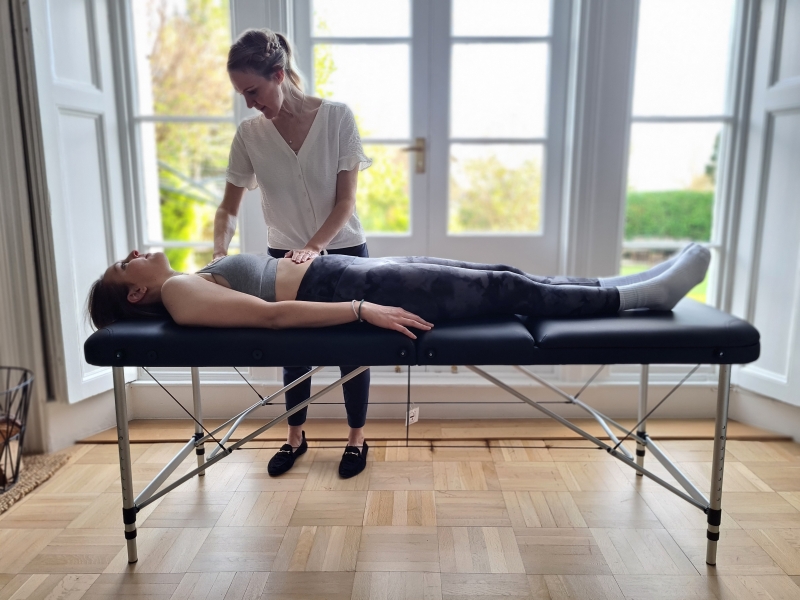
This type of breathing relates to using your main breathing muscle, the diaphragm. The diaphragm contracts as your breathe in, lowering down into the abdominal space and as you breath other, relaxes back up. To do this your ribs must widen at the sides and your belly moves out as your breathe in. It is the most efficient and relaxing way to breathe and therefore can ease symptoms of breathlessness in asthmatics.
What is a breathing pattern disorder and how is it linked to asthma?
A breathing pattern disorder – occasionally call dysfunctional breathing, is where your breathing becomes inefficient. Too fast, too deep, upper chest use, mouth breathing. It is a very common condition in asthmatics causes symptoms such as sighing, chest tightness, yawning, tingling, dizziness which can feel like asthma but reliever inhalers are not effective.
How should I breathe during an asthma flare -up?
During a flare up or asthma attack, the priority is to follow your asthma action plan. Ensure you seek urgent help if your symptoms worsen or do not improve. Physiotherapy breathing techniques are designed for everyday use to manage and treat symptoms of breathing pattern disorder and staying calm. Your physiotherapist will help you spot the differences to ensure you get the right support you need.
Exercise and physical activity
Is it safe to exercise if I have asthma?
For most people with well-controlled asthma, exercise is not only safe but actively beneficial — it improves fitness, breathing efficiency and overall wellbeing. The key is keeping your asthma well managed, warming up properly, and knowing your triggers. A physiotherapist can help you build activity confidently and safely. If exercise consistently brings on symptoms, that's worth addressing rather than avoiding activity altogether.
What is exercise-induced asthma and how is it managed?
Exercise-induced asthma is when physical activity triggers narrowing of the airways, causing coughing, wheezing or breathlessness during or after exercise. It's managed through a combination of well-controlled asthma, appropriate use of your inhaler before activity as advised by your clinician, a thorough warm-up, and breathing techniques. A physiotherapist can help you exercise in a way that keeps symptoms to a minimum. Your physiotherapist will also be able to work out if it is exercise induced asthma (EIA) exercise induced bronchoconstriction (EIB) or exercise- induced laryngeal obstruction (E-ILO).
Can physiotherapy help with exercise-induced asthma?
Yes. A physiotherapist can teach you effective warm-up routines, breathing techniques and pacing strategies that reduce how much exercise triggers your symptoms. They can also help you choose suitable activities, build up gradually, and breathe more efficiently while active.
What are the best types of exercise for people with asthma?
There's no single best exercise, but activities with built-in breaks — such as swimming, walking, Pilates, Yoga and cycling — are often well tolerated. Swimming is popular because of the warm, humid air, although chlorine can be a trigger for some people. The right choice is the one you enjoy and can do consistently. A physiotherapist can help you find activities that suit your fitness, triggers and goals.
How can I exercise or run without triggering my asthma?
A good warm-up is key — gradually raising your heart rate prepares your airways and can reduce symptoms. Other helpful strategies include breathing through your nose where possible, avoiding cold or polluted air, staying well controlled on your medication, and using your inhaler beforehand if your clinician advises it. A physiotherapist can pull these together into a plan tailored to your chosen activity.
How do I warm up properly to avoid asthma symptoms?
An effective warm-up for asthma is gradual and lasts around 10–15 minutes, mixing gentle continuous activity with short bursts to prepare your airways before you push harder. This "priming" effect can noticeably reduce exercise-induced symptoms. Your physiotherapist can design a warm-up suited to your sport or activity and combine it with breathing techniques so that exertion feels more comfortable.
Symptoms and day-day management
Why do I still feel breathless even when my asthma is well controlled?
Persistent breathlessness despite good asthma control is common, and it often points to an additional breathing pattern problem rather than uncontrolled asthma. Anxiety, habit and upper-chest breathing can all keep you feeling short of breath even when your airways are fine. Respiratory physiotherapy is designed to help with breathing pattern disorder, through careful assessment and breathing retraining.
Can physiotherapy help with a persistent cough caused by asthma?
Yes - a physiotherapist can assess whether your cough is linked to a breathing pattern problem, throat sensitivity or mucus, and teach techniques to settle a dry, irritating cough or to clear mucus more effectively. Cough control and breathing retraining are common physiotherapy tools. If your cough is new, changing or persistent, it should also be reviewed by your GP to confirm the cause.
How can I manage asthma symptoms that get worse at night?
Night-time symptoms can be a sign that your asthma needs reviewing, so it's worth discussing them with your Physiotherapist, GP or asthma nurse. Alongside good medical control, physiotherapy can help by addressing the breathing patterns, posture and relaxation that affect how you breathe when lying down. Simple measures such as sleep position and a calm pre-sleep breathing routine can also make a difference, and your physiotherapist can guide you through them.
What can help clear mucus from the lungs when I have asthma?
While mucus tends to be more of a feature in conditions like bronchiectasis, some people with asthma do struggle with it. Physiotherapists teach airway clearance techniques — such as the active cycle of breathing technique — that help move and clear mucus efficiently without exhausting you. If you're regularly producing a lot of mucus, it's worth getting assessed, both to clear it effectively and to check the underlying cause.
How do I tell whether my breathlessness is asthma, anxiety, or something else?
It can be genuinely hard to tell, because asthma, anxiety and breathing pattern disorders often overlap and feel similar. Clues such as symptoms that don't ease with your inhaler, frequent sighing or yawning, dizziness or tingling can point towards a breathing pattern or anxiety component. A respiratory physiotherapist can assess your breathing in detail, unpicking your symptoms and explaining them clearly to you so you feel more in control if you have a flare.
Sessions & what to expect
What happens during an asthma physiotherapy session?
Your first session usually involves a detailed assessment — your history, symptoms, triggers and how you breathe at rest and during activity. From there, your physiotherapist explains what they've found and begins teaching techniques tailored to you, such as breathing retraining or exercise strategies. You'll typically leave with simple exercises to practise at home, and follow-up sessions track your progress and refine the plan.
How many physiotherapy sessions will I need for my asthma?
This varies depending on your needs, but many people notice a benefit within a handful of sessions — often around four to six — with practice between appointments. Some need only a short course to learn and embed the techniques, while others prefer occasional check-ins over a longer period. Your physiotherapist will give you a clearer estimate after your initial assessment.
Do I need a GP referral to see a respiratory physiotherapist?
No, at Take a Breath Physio you can self-refer by clicking the contact button and start your journey to breathe better – live better.
Can children with asthma have respiratory physiotherapy?
Yes — children with asthma can benefit from physiotherapy, with techniques adapted to their age and made engaging and easy to follow. It can help with breathing patterns, confidence during exercise and managing symptoms, always alongside their prescribed asthma treatment and in coordination with their GP or paediatric team. Sessions are designed to be reassuring for both the child and their parent.
Will physiotherapy help my asthma in the long term?
Physiotherapy aims to give you skills and techniques you can use for life, so the benefits can be long-lasting — especially when you keep practising what you've learned. It won't cure asthma or replace your medication, but better breathing patterns, improved fitness and greater confidence can mean fewer day-to-day symptoms and more control over the long term. Occasional refresher sessions can help you maintain your progress.