
Are you experiencing any of the following?
-
Shortness of breath, especially during physical activity
-
Persistent cough
-
Excess mucus or phlegm production
-
Wheezing or noisy breathing
-
Chest tightness or discomfort
-
Reduced exercise tolerance and stamina
-
Fatigue or low energy levels
-
Frequent chest infections or flare-ups
-
Difficulty clearing mucus from the chest
-
Disturbed sleep due to coughing or breathlessness
How can we help?
- Comprehensive assessment of breathlessness, cough, sputum production, and exercise tolerance
- Review of medical history, medications, inhaler use, and exacerbation frequency
- Breathing pattern assessment and education on effective breathing control techniques
- Guidance on airway clearance techniques to help manage mucus and chest congestion
- Personalised exercise and physical activity advice to improve stamina and maintain independence
- Energy conservation and pacing strategies to help manage fatigue and daily activities
- Support with anxiety management and coping strategies related to breathlessness
- Education on flare-up prevention, symptom monitoring, and self-management techniques
- Advice on positioning, relaxation techniques, and oxygen use where appropriate
- Individualised treatment plan with practical goals, rehabilitation advice, and recommendations for ongoing care

What is the condition?
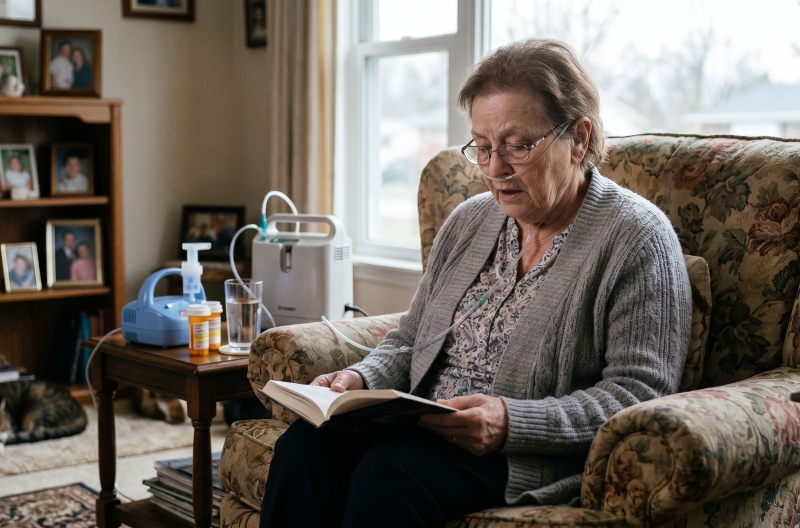
Chronic Obstructive Pulmonary Disease is a common lung condition that refers to a group of disorders that damage the lung. The most common forms of COPD are Emphysema and bronchitis. Usually these are related to smoking or hazardous occupational substance inhalation.
Chronic Bronchitis shows as inflamed air passages in the lung, resulting in narrowing and increased mucus production. Emphysema is a result of scarring to the tiny air sacs in the lung known as alveoli. This scarring makes it difficult for the air sacs to expand and contract when you breathe and over time they loose their elasticity.
The result of the two conditions are increased cough, increased mucus production and increased breathlessness. These symptoms are all treatable with expert guidance from Take a Breath Physio. We provide education, breathlessness management, clearance advice and exercises and breathing control to allow you to live the life you want.
Links guidelines and support
What services do we offer?
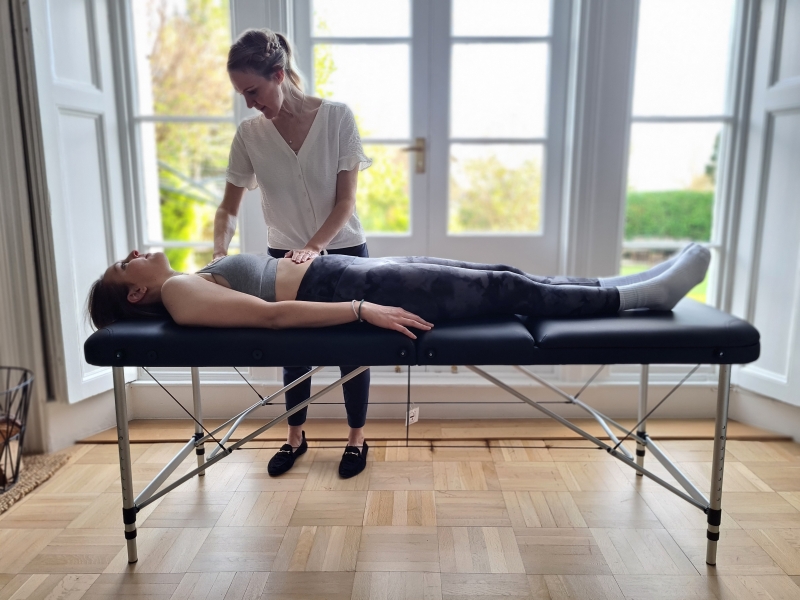
Breathing pattern retraining
Relearn how to breathe with ease and control
Read more →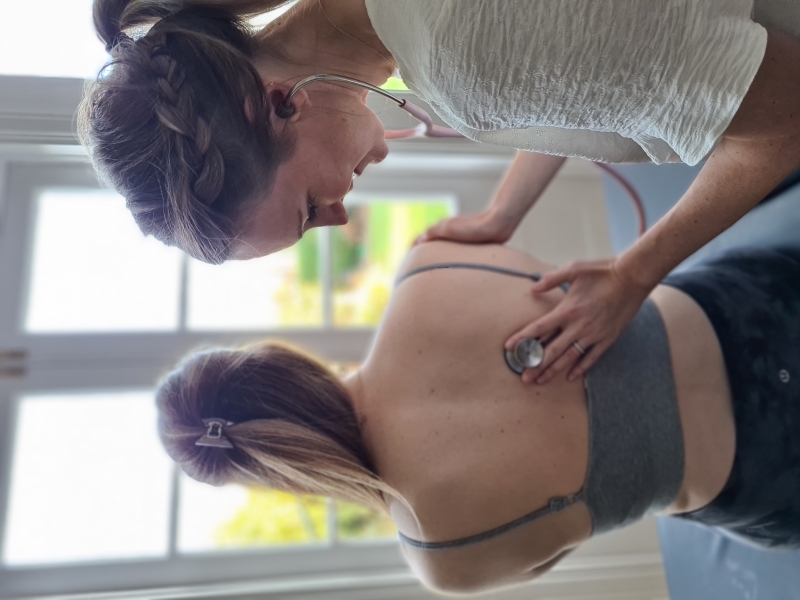
Lung conditions management
A professional assessment, treatment and education plan
Read more →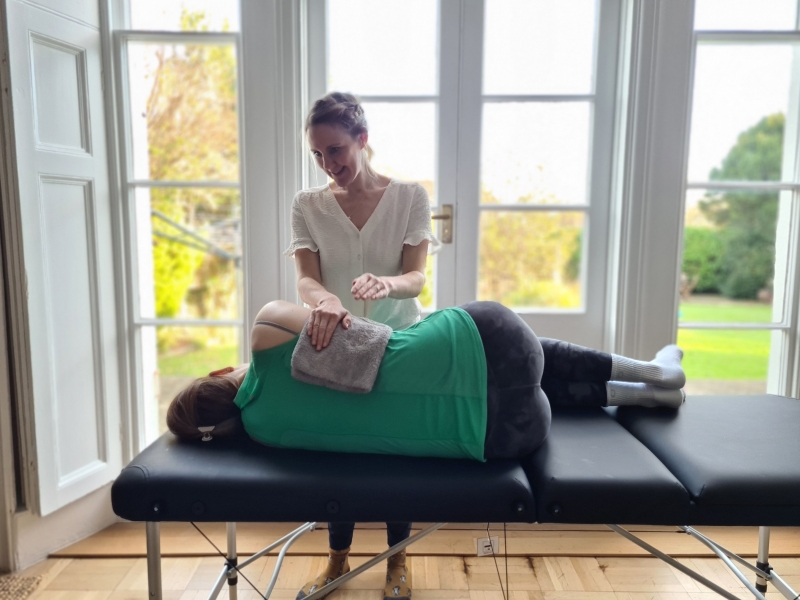
Airway Clearance Support
Therapy for maintaining clear and healthy airways, helping you to breathe easier
Read more →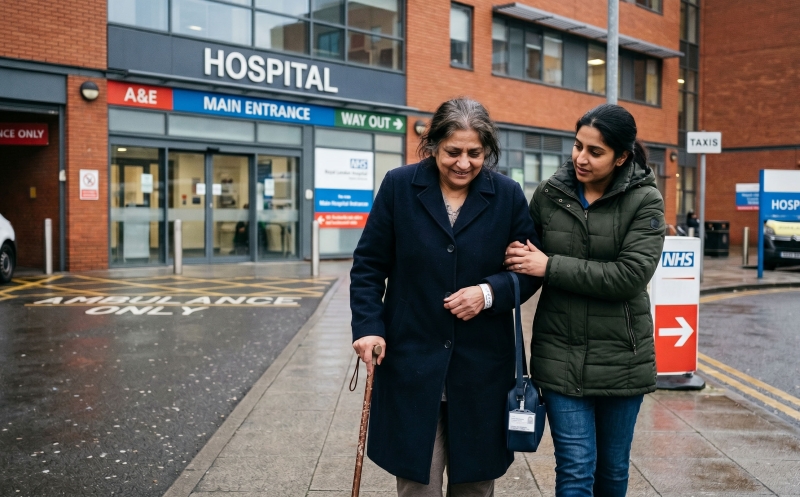
Post Hospital Review
Supporting recovery and helping you regain strength and confidence after hospital admission
Read more →Frequently Asked Questions
COPD & Respiratory Physiotherapy
Understanding COPD & physiotherapy
Can physiotherapy help with COPD?
Yes — respiratory physiotherapy is one of the most effective non-drug treatments for COPD (chronic obstructive pulmonary disease). It won't reverse the condition, but it can ease breathlessness, help you clear mucus, improve how far and how comfortably you can move, and reduce the impact of flare-ups. Used alongside your medication and, where relevant, stopping smoking, physiotherapy can make a real difference to your day-to-day quality of life.
How does respiratory physiotherapy help people with COPD?
Physiotherapy for COPD usually combines breathing techniques to control breathlessness, airway clearance to manage mucus, and a structured exercise programme to rebuild fitness and stamina. Your physiotherapist will also teach you practical ways to manage everyday activities with less breathlessness. The overall aim is to help you stay active, independent and more in control of your symptoms.
What does a respiratory physiotherapist do for COPD?
A respiratory physiotherapist assesses your breathing, fitness, mucus and how COPD affects your daily life, then builds a personalised plan. This may include breathing control, pursed-lip breathing, airway clearance, an exercise programme and energy-saving strategies. They work alongside your GP and respiratory team so that physiotherapy supports your medical treatment.
Will physiotherapy cure my COPD?
No — COPD is a long-term, progressive condition and there's currently no cure, so physiotherapy doesn't reverse the damage to your lungs. What it can do is significantly improve your symptoms, fitness and confidence, and help slow the decline in what you're able to do. Many people find they can do far more, with less breathlessness, after working with a physiotherapist.
Who can benefit from COPD physiotherapy?
Almost anyone with COPD can benefit, whether your symptoms are mild or more advanced. It's particularly valuable if you're breathless during everyday activities, struggle with mucus, have had recent flare-ups or hospital admissions, or have become less active because of your breathing. The programme is always tailored to your current ability and goals.
Breathing techniques
What breathing techniques help with COPD?
The most useful techniques for COPD include pursed-lip breathing, breathing control (slow, relaxed breathing using the diaphragm) and positions that ease breathlessness. These help you feel less short of breath, recover more quickly after activity and stay calmer when your breathing feels tight. A physiotherapist will teach you which ones suit you best and when to use them.
What is pursed-lip breathing and how does it help COPD?
Pursed-lip breathing means breathing in gently through your nose and out slowly through pursed lips, as if blowing out a candle. This keeps your airways open for longer as you breathe out, helps empty trapped air from your lungs, and slows your breathing down. Many people with COPD find it quickly eases breathlessness during activity or when they feel short of breath.
How can I control breathlessness with COPD?
Breathlessness is often best managed with a combination of relaxed breathing control, pursed-lip breathing, recovery positions and pacing your activities. Learning not to panic — because anxiety makes breathlessness worse — is a big part of it. A physiotherapist can teach you these techniques and help you build a personal "breathlessness toolkit" you can rely on.
What positions help ease breathlessness?
Certain positions take the work off your breathing muscles and help you recover, such as leaning forwards onto a table or your knees, or resting your arms on a support. These positions, sometimes called "positions of ease", let your diaphragm work more efficiently. Your physiotherapist will show you which ones work best for you and how to use them alongside breathing techniques.
Exercise & pulmonary rehabilitation
What is pulmonary rehabilitation?
Pulmonary rehabilitation is a structured programme of supervised exercise and education designed specifically for people with lung conditions like COPD. It typically combines tailored physical training with advice on breathing, managing flare-ups and living well with your condition. It's one of the most strongly evidenced treatments for COPD, often improving fitness, breathlessness and quality of life.
Is exercise safe with COPD?
For most people with COPD, exercise is safe and highly beneficial — being active improves your fitness, eases breathlessness over time and helps you stay independent. Feeling breathless during exercise is normal and not harmful in itself. A physiotherapist can assess you and design a programme that builds you up safely at the right level for your ability.
What are the best exercises for COPD?
A good COPD programme usually mixes aerobic activity (such as walking or cycling) to build stamina with strengthening exercises for your arms and legs. The "best" exercises are those matched to your fitness, that you can do regularly, and that you enjoy enough to stick with. Your physiotherapist will tailor the type, intensity and progression to you.
Can physiotherapy improve my exercise tolerance with COPD?
Yes — improving how much you can do before getting breathless is one of the main goals of COPD physiotherapy. Through a gradual, structured programme, most people find they can walk further, manage stairs and daily tasks more easily, and recover more quickly. The key is building up steadily and consistently.
Airway clearance & mucus
Can physiotherapy help clear mucus in COPD?
Yes — if you produce a lot of phlegm, a physiotherapist can teach airway clearance techniques that help you move and clear mucus more effectively and with less effort. Clearing mucus well can ease breathlessness, reduce coughing and may lower your risk of chest infections. The techniques are tailored to how much mucus you produce and what you find easiest.
What airway clearance techniques are used for COPD?
Common techniques include the active cycle of breathing technique, which combines breathing control, deep breaths and a gentle "huff" to move mucus, as well as breathing devices in some cases. Your physiotherapist will assess which approach suits you and teach you to use it independently at home.
Why do I cough up so much phlegm with COPD?
Excess mucus is a common feature of COPD, particularly the chronic bronchitis type, because the airways become inflamed and produce more phlegm than normal. This can lead to a productive cough and increase the risk of infection if it isn't cleared. Physiotherapy can help you manage and clear it more effectively, and a sudden change in your phlegm should be reported to your GP.
Symptoms & daily living
How can I manage breathlessness during everyday tasks?
Pacing and planning are key — breaking tasks into smaller steps, using breathing control and pursed-lip breathing during effort, and not rushing. Simple adjustments around the home and energy-saving strategies make a big difference too. A physiotherapist can look at your specific daily activities and show you how to do them with less breathlessness.
How can physiotherapy help during a COPD flare-up (exacerbation)?
During a flare-up, breathing and airway clearance techniques can help you manage increased breathlessness and mucus, and staying as active as you safely can supports recovery. It's important to follow your personal action plan and seek medical help if your symptoms worsen significantly. A physiotherapist can help you prepare for and recover from flare-ups, and rebuild your fitness afterwards.
Can physiotherapy reduce my COPD hospital admissions?
Programmes like pulmonary rehabilitation have been shown to reduce hospital admissions and readmissions for many people with COPD, alongside improving symptoms and quality of life. By helping you stay fitter, manage flare-ups and clear mucus effectively, physiotherapy can reduce how often your COPD lands you in hospital. It works best as part of your overall care plan.
How do I conserve energy with COPD?
Energy conservation means working smarter, not harder — planning ahead, pacing yourself, sitting to do tasks where possible, and balancing activity with rest. These strategies help you do more of what matters with less breathlessness and fatigue. A physiotherapist or occupational therapist can tailor these techniques to your home and routine.
Sessions & what to expect
What happens in a COPD physiotherapy session?
Your first session usually involves a full assessment of your breathing, fitness, mucus and how COPD affects your daily life. From there, your physiotherapist explains their findings and starts teaching the techniques and exercises most useful for you. You'll typically be given a home exercise programme, with follow-up sessions to track progress and adjust your plan.
How many sessions will I need for COPD?
This depends on your needs and goals. Structured programmes like pulmonary rehabilitation often run over six to eight weeks, while individual physiotherapy may be a shorter course to learn key techniques, with occasional reviews. Your physiotherapist will give you a clearer plan after your initial assessment.
Do I need a referral to see a physiotherapist for COPD?
No, at Take a Breath Physio you can self-refer by clicking the contact button and start your journey to breathe better – live better.
Will the benefits of physiotherapy last?
The benefits last best when you keep up the techniques and stay active after your programme ends. Fitness gained through exercise can fade if activity stops, so maintenance is important — many people benefit from a regular home routine and occasional refresher sessions. Your physiotherapist will help you build a plan to hold on to your progress.